

Singapore is among the most sleep-deprived countries in the world. For most adults, the instinctive response is to aim for more hours. Yet, sleeping longer does not automatically mean sleeping better, and that distinction matters more than most people realise.
Sleep quality and sleep quantity address different things. While the number of hours in bed tells you how long you were asleep, whether those hours were genuinely restorative depends on what was happening during them.
What is Sleep Quality?
Sleep is not a flat, uniform state. Rather, the body cycles through multiple stages throughout the night, moving from light sleep into deep sleep and then into REM sleep, with each cycle lasting 90 to 120 minutes.
Deep sleep drives physical repair and immune system reinforcement, while REM sleep supports memory consolidation and emotional processing.
Good sleep quality means progressing through these stages without significant disruption. In contrast, when that progression is repeatedly interrupted, the body misses out on the restoration it needs, regardless of how many hours have passed.
The signs of poor sleep quality are often recognisable:
- Waking up feeling unrefreshed after a full night in bed
- Mid-night awakenings that are difficult to recover from
- Persistent daytime drowsiness or difficulty concentrating
- Relying on caffeine to get through the afternoon
How Many Hours of Sleep Do I Need?
The recommended amount of sleep per night is seven or more hours for adults, though individual needs may vary.
That said, more hours in bed do not automatically translate to more restorative sleep. For example, nine hours of fragmented, shallow sleep produces far less benefit than seven hours of deep, uninterrupted rest.
Why Sleep Quality Matters More Than Quantity
The gap between sleep quantity and quality is most apparent when sleep disorders are involved. For instance, a person can spend nine hours in bed and still wake up exhausted if their sleep is being fragmented by noise, stress, or an underlying condition.
Obstructive Sleep Apnea (OSA) is a clear example of this. It repeatedly interrupts the body’s sleep cycles throughout the night, preventing it from reaching the deep and REM stages where true restoration happens.
As such, someone with untreated OSA may clock eight hours but functionally receive far fewer hours of restorative rest.
What Causes Poor Sleep Quality
Poor sleep quality can result from a range of lifestyle, environmental, and medical factors:
- Stress and anxiety: Elevated cortisol levels from stress keep the nervous system alert, blocking deeper sleep stages from occurring.
- Inconsistent sleep schedules: Irregular bedtimes and wake times disrupt the body’s circadian rhythm.
- Screen use before bed: Blue light from devices suppresses melatonin production.
- Alcohol: While alcohol causes initial drowsiness, it also results in fragmented sleep in the second half of the night.
- Sleep environment: Noise, light, and heat all reduce sleep depth.
- Underlying sleep disorders: Conditions like OSA fragment sleep cycles repeatedly.
How to Increase Sleep Quality
Several habits can make a meaningful difference to sleep quality over time:
- Consistent sleep schedule: Sleep and wake up at the same time each day, including weekends, to train the body’s internal clock.
- Reduce screen use before bed: Avoid bright devices, which emit blue light, for two hours before sleeping to preserve melatonin levels.
- Cool the room: Maintain a temperature around 18°C to support deeper sleep.
- Cut caffeine after midday: Caffeine can remain active in the body for five to six hours after consumption, so don’t take it within 13 hours of bedtime.
- Limit late-night alcohol: It worsens sleep architecture even when it initially aids sleep onset.
- Build a wind-down routine: Reading, light stretching, or breathing exercises signal to the body that it is time to rest.
Does This Mean I Can Sleep Fewer Hours with Better Sleep Quality?
Not quite. While good sleep quality is critical for restorative rest, consistently sleeping fewer than six hours carries documented health risks regardless of quality. These include:
- Elevated risk of cardiovascular disease
- Weight gain
- Cognitive decline
In other words, the goal is not to trade quantity for quality, but to achieve both.
Could a Sleep Disorder Be Affecting Your Sleep?
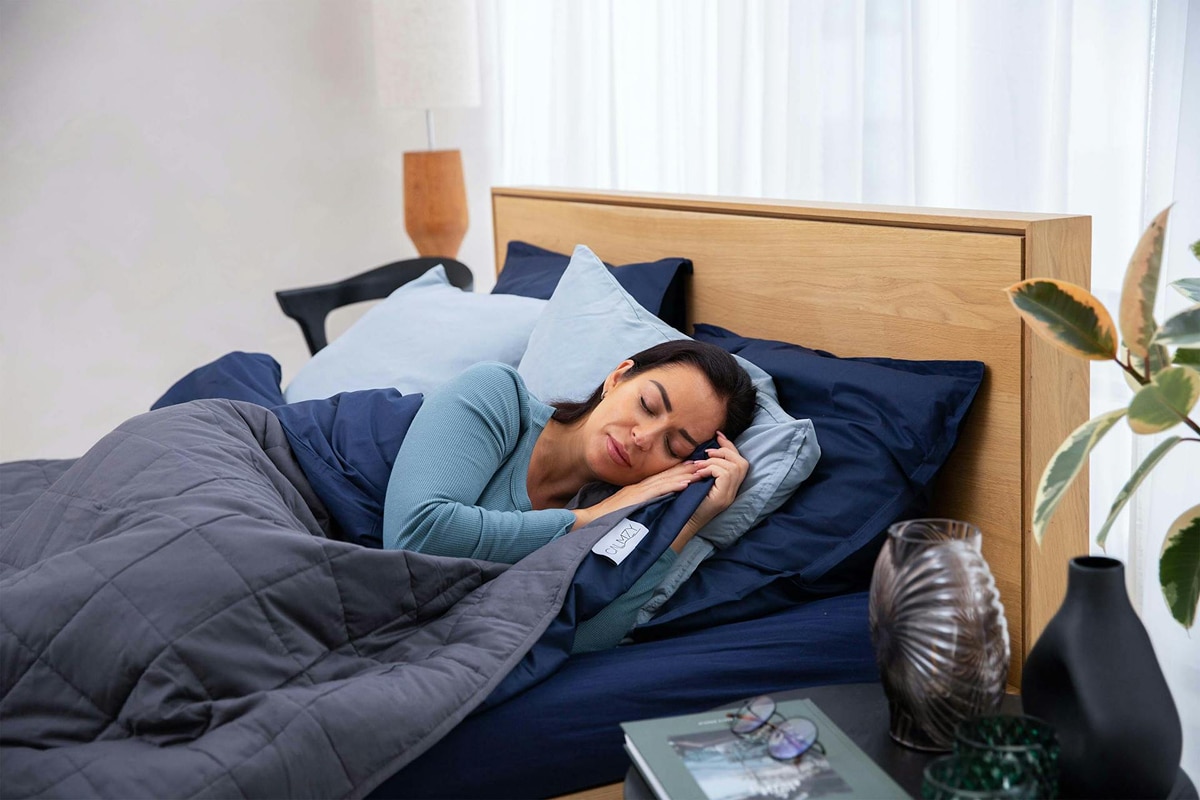
If you regularly sleep for what seems like adequate hours but still wake up exhausted, an underlying sleep disorder may be worth investigating. Watch for these signs:
- Persistent morning fatigue
- Difficulty concentrating or staying alert during the day
- Loud chronic snoring
- Waking up gasping for air
These are among the common sleep apnea symptoms associated with OSA, a condition that quietly undermines sleep quality even when total hours look sufficient on paper.
If any of these signs sound familiar, a sleep specialist in Singapore can help determine whether a sleep disorder is contributing to your fatigue through a simple, non-invasive Home Sleep Test.
Take the first step to improving the quality of your rest by booking a consultation today.