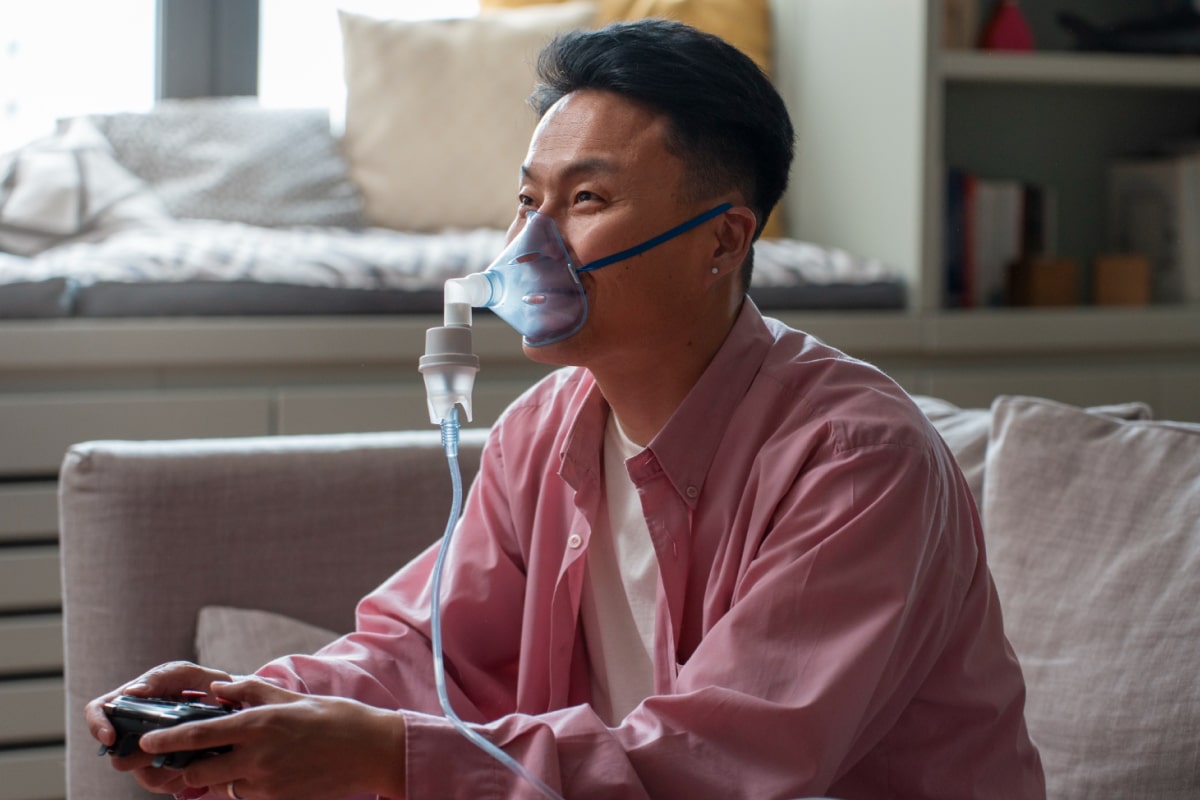
For anyone newly diagnosed with Obstructive Sleep Apnea and considering CPAP therapy, one of the first practical questions is: how much is this going to cost? The answer isn’t a single figure. CPAP therapy involves the machine itself, essential accessories, ongoing consumables, and potentially rental or financing arrangements. Treatment costs in Singapore vary based on the equipment you choose, how you finance it, and whether you qualify for government subsidies or insurance coverage.
How Much Does a CPAP Machine Cost in Singapore?
CPAP machines in Singapore typically start from around $800 to $2,500. Prices vary based on brand, built-in features, and the level of aftercare support included.
What you get at different price points:
- Entry-level ($800-$1,200): Basic continuous positive airway pressure delivery without advanced functions
- Mid-range ($1,200-$1,800): Heated humidifiers to prevent nasal dryness, basic data tracking, quieter operation
- Premium ($1,800-$2,500): Wireless connectivity, automatic pressure adjustment, travel modes, advanced sleep data analysis
Where you buy matters. Purchasing from a qualified sleep specialist, rather than through online marketplaces, ensures the machine is correctly programmed to your prescribed pressure settings. A CPAP machine that hasn’t been calibrated to your specific diagnosis won’t deliver effective therapy, regardless of how much you paid for it.
Sleep specialists also provide ongoing clinical support to adjust settings as your condition changes, which isn’t available when buying equipment independently.
What Else Should You Budget For?
CPAP therapy requires more than just the machine. Key accessories include masks, humidifier chambers, tubing, and filters:
- Masks ($80-$300): Nasal pillows for minimal contact, nasal masks for nose breathers, or full-face masks if you breathe through your mouth
- Humidifier chambers ($50-$100): Standalone units if your machine doesn’t include one built-in
- Tubing and filters ($20-$80 per set): Required maintenance items that prevent bacteria build-up
Masks and consumables are not one-off purchases. Cushions degrade from nightly use and natural oils from your skin. Filters clog with dust and airborne particles. Tubing develops small tears or loses flexibility. These are maintenance items that need replacing every few months to maintain hygiene and prevent bacteria build-up. Regular replacement is necessary to maintain therapy effectiveness and prevent respiratory infections.
Replacement schedule to plan for:
- Mask cushions: every 3-6 months
- Filters: every 1-3 months depending on air quality
- Tubing: every 6-12 months
- Complete mask: annually
What Does It Cost to Run a CPAP Machine?
CPAP machines are energy-efficient, typically drawing between 30 to 60 watts per hour. Running for eight hours straight, a CPAP machine uses anywhere from 200 to 600 watt-hours per night. That’s equivalent to a small LED light bulb. At Singapore’s current electricity rates, this translates to around $5 to $10 per month in power costs.
Monthly running costs breakdown:
- Electricity: $5-$10 per month (CPAP machines draw 30-60 watts per hour, equivalent to a small LED bulb)
- Consumables: $40-$90 per month (filters, mask cushions, tubing replacements)
- Total realistic monthly cost: $45-$100
Some users stretch consumables beyond recommended intervals to save money. That approach can compromise therapy effectiveness and increase infection risk, particularly in Singapore’s humid climate where bacteria and mould thrive in damp equipment.
Can You Use Medisave, Subsidies, or Insurance to Offset the Purchase of a CPAP Machine?
Given the upfront cost and ongoing expenses, understanding available subsidies and financial assistance becomes relevant.
In Singapore, CPAP machines purchased as part of a diagnosed OSA treatment pathway may be eligible for Medisave claims, subject to conditions set by the Ministry of Health.
Eligibility typically requires:
- Diagnosis made through an approved institution
- Recognised sleep study conducted
- Device prescribed by a registered medical practitioner
- Documentation demonstrating medical necessity
Not all CPAP purchases qualify automatically. The Ministry of Health sets specific conditions that must be met before Medisave claims are accepted. Some Integrated Shield Plans may offer partial reimbursement for CPAP equipment. Coverage varies widely depending on your specific policy and insurer. Most standard health insurance plans in Singapore do not cover durable medical equipment purchased for home use, but private policies with enhanced benefits sometimes include provisions for respiratory devices.
Check directly with your insurer to understand what your policy covers before purchasing. Steps to verify your coverage:
- Check with your insurer what your policy covers before purchasing
- Ask specifically about CPAP machine reimbursement requirements
- Confirm what documentation is needed
- Verify whether pre-authorisation is required
- Raise Medisave eligibility with your sleep specialist during consultation
Your sleep specialist can advise on whether your diagnosis meets the criteria and provide necessary documentation for claims processing.
Is Renting a CPAP Machine an Option?
Yes, CPAP rental is available in Singapore, typically ranging from $60 to $250 per month depending on the machine model and provider. If upfront purchase cost is a barrier, or if you’re uncertain about therapy, rental offers an alternative.
Rental price ranges in Singapore:
- Entry-level machines: $40-$60 per month (e.g. Philips DreamStation)
- Mid-range machines: $60-$100 per month
- Premium models: $100-$150 per month (e.g. ResMed AirSense 11)
Rental can be practical for those who want to trial therapy before committing to a purchase. Some individuals are uncertain whether they can tolerate wearing a mask nightly or need time to adapt to the sensation of pressurised air. Renting allows you to test different machine types and mask styles without the upfront cost.
Rental is also useful for short-term situations, such as post-surgery recovery or extended travel where you need access to therapy but don’t want to invest in ownership.
The trade-off is cost over time. While rental reduces upfront expense, it becomes more expensive than purchasing if you continue therapy long-term.A $100 monthly rental totals $1,200 annually. After two years, you’ve paid $2,400 for a machine you don’t own. That exceeds what most new machines cost outright.
Rental agreements may also limit control over machine settings and model selection. You’re working within the provider’s inventory, which may not include the exact features you want.
For most long-term OSA patients, purchasing is more cost-effective, particularly when lifetime aftercare support is included.
What Does CPAP Therapy at Sleeping Lab Include?
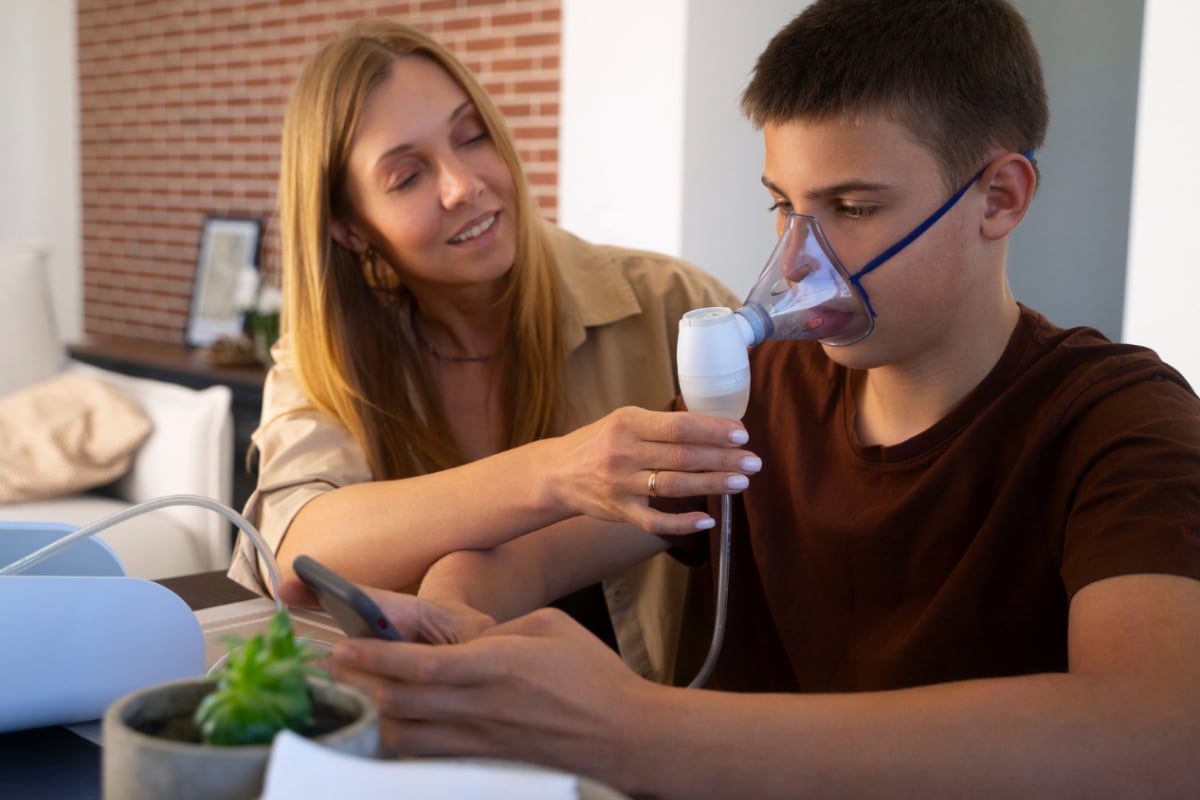
The cost of CPAP therapy isn’t just the device. It’s the expertise, setup, and ongoing clinical support behind it. At Sleeping Lab, CPAP packages include:
- In-depth consultation with sleep specialists
- Accurate sleep assessment
- Machine matched to your OSA severity
- Prescribed pressure settings calibrated correctly from day one
- Tailored treatment plan accounting for:
- Your sleeping position
- Whether you breathe through nose or mouth
- Mask type tolerance
- Co-existing conditions (nasal congestion, sinus issues)
- Continuous monitoring and follow-up care
- Lifetime aftercare support for adjustments and troubleshooting
Pressure requirements can shift if you lose weight, age, or develop other health conditions. Regular check-ins allow for adjustments before therapy becomes ineffective. Effective CPAP therapy leads to better sleep quality, reduced cardiovascular risks, and improved daytime functioning. That ongoing support may determine whether Obstructive Sleep Apnea treatment succeeds or fails for people managing a chronic condition.
Book a consultation at Sleeping Lab to get a clear picture of which solution is right for your diagnosis and your budget. Our sleep specialist in Singapore can walk you through equipment options, financing arrangements, and Medisave eligibility based on your specific situation. Whether you’re exploring CPAP for the first time or looking to upgrade from an older model, we help you find a solution that works clinically and financially.