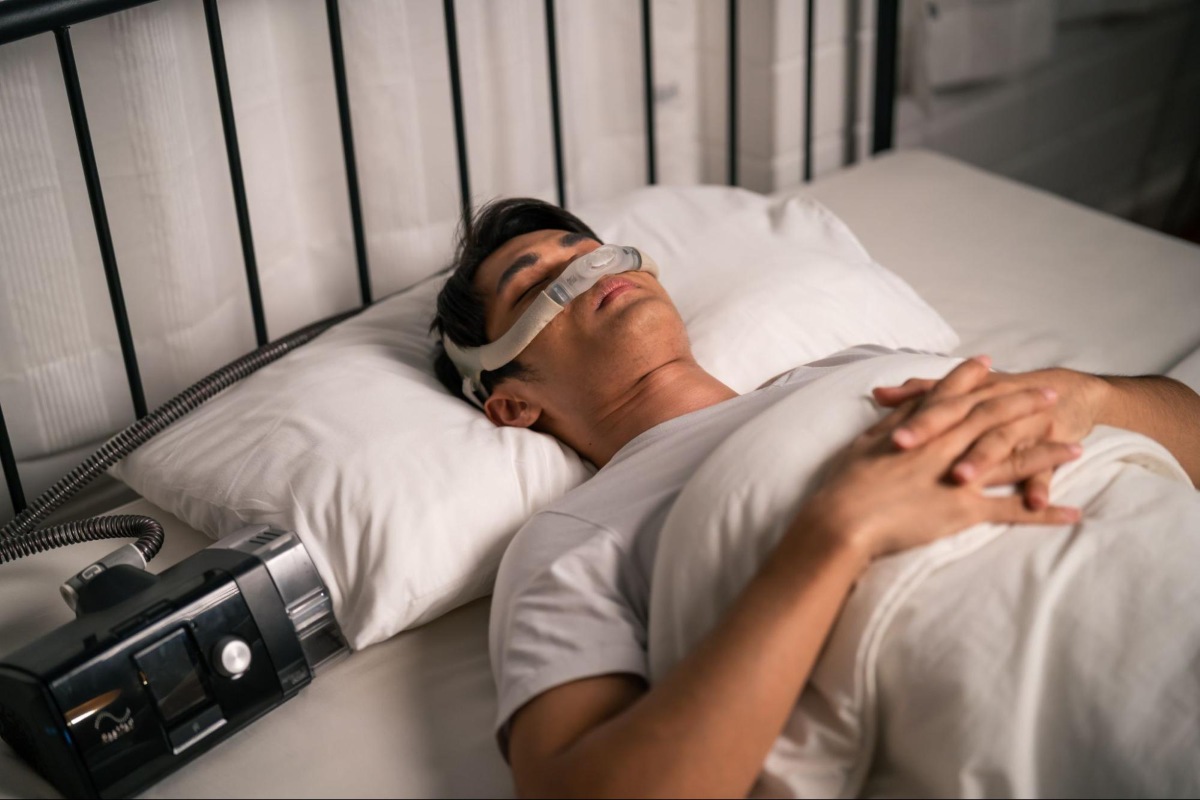
Starting CPAP therapy is a big step toward better sleep, but the first few nights often raise more questions than answers. And even experienced users can run into a problem with their CPAP therapy machine that they’re not sure how to fix. The good news: most CPAP issues are minor, common, and easy to solve; and if you’re still weighing up how much a CPAP machine costs before committing, know that the day-to-day hiccups below are rarely a dealbreaker.
Here are the eight most frequent challenges and how to work through them.
1. Air Leaks from a Poor Mask Fit
Air escaping around the edges of your CPAP therapy mask reduces your prescribed pressure and can leave your eyes dry or your skin irritated.
Solution: Adjust the straps first. If leaks continue, try a different mask style or size, since fit varies significantly between faces.
2. Dry or Congested Nose
A stuffy nose is one of the most common complaints in CPAP therapy, especially for those sleeping with the air conditioning running overnight, which is common in Singapore.
Solution: Use your machine’s built-in heated humidifier, or add a standalone unit if yours doesn’t have one. A saline nasal spray before bed also helps relieve a CPAP stuffy nose without medication.
3. Dry Mouth
CPAP dry mouth usually happens when air escapes through an open mouth during sleep, bypassing the nasal mask entirely and drying out the throat by morning.
Solution: A chin strap can help keep the mouth closed through the night. For consistent mouth breathers, switching to a full-face mask is often the more reliable fix.
4. Feeling Claustrophobic
The combination of a mask and pressurised airflow can feel overwhelming in the first few nights, which is one of the biggest hurdles to getting used to CPAP.
Solution: Wear just the mask for short periods while awake, watching TV or reading, to build tolerance before sleep. Nasal pillow masks are a lower-profile option for those who find full masks too enclosing.
5. Difficulty Falling Asleep with the Machine
Learning how to breathe with CPAP takes adjustment, and pressurised airflow can make it harder to fall asleep in the early weeks.
Solution: Use the ramp feature if your machine has one. It starts at a lower, gentler pressure and gradually increases to your prescribed setting as you drift off.
6. Removing the Mask During Sleep
Many users wake up to find they’ve pulled the mask off without realising it, a common part of sleeping with CPAP in the early weeks, and usually a sign of discomfort or a poor fit rather than a deliberate action.
Solution: A better-fitting or more comfortable mask style often resolves this on its own, without any other changes needed.
7. Skin Irritation or Pressure Marks
A mask sitting too tight, or positioned incorrectly, can leave redness or soreness on the face over time.
Solution: Loosen the straps slightly. A properly fitted mask should seal without pressing hard into the skin. Mask liners or petroleum-free moisturisers can further reduce friction.
8. Machine Noise
Most modern CPAP therapy machines run near-silently when well maintained, noticeable noise may come from leaks, blocked vents, loose tubing, the humidifier chamber, filter, or machine.
Solution: Check that the air filter is clean and unobstructed, as a clogged filter is the most common cause. Persistent unusual noise should be checked by the equipment provider.
Quick Reference: CPAP Troubleshooting
|
Challenge |
Likely Cause |
Quick Fix |
|
Air leaks |
Poor mask fit |
Adjust straps or change mask style |
|
Dry/stuffy nose |
Pressurised air, aircon |
Use humidifier, saline spray |
|
Dry mouth |
Mouth breathing |
Chin strap or full-face mask |
|
Claustrophobia |
New sensation |
Practice wearing mask while awake |
|
Trouble falling asleep |
Adjustment period |
Use ramp feature |
|
Mask removal in sleep |
Discomfort |
Better-fitting mask |
|
Skin irritation |
Mask too tight |
Loosen straps, use liners |
|
Machine noise |
Clogged filter |
Clean or replace filter |
Get Support for Your CPAP Therapy with Sleeping Lab
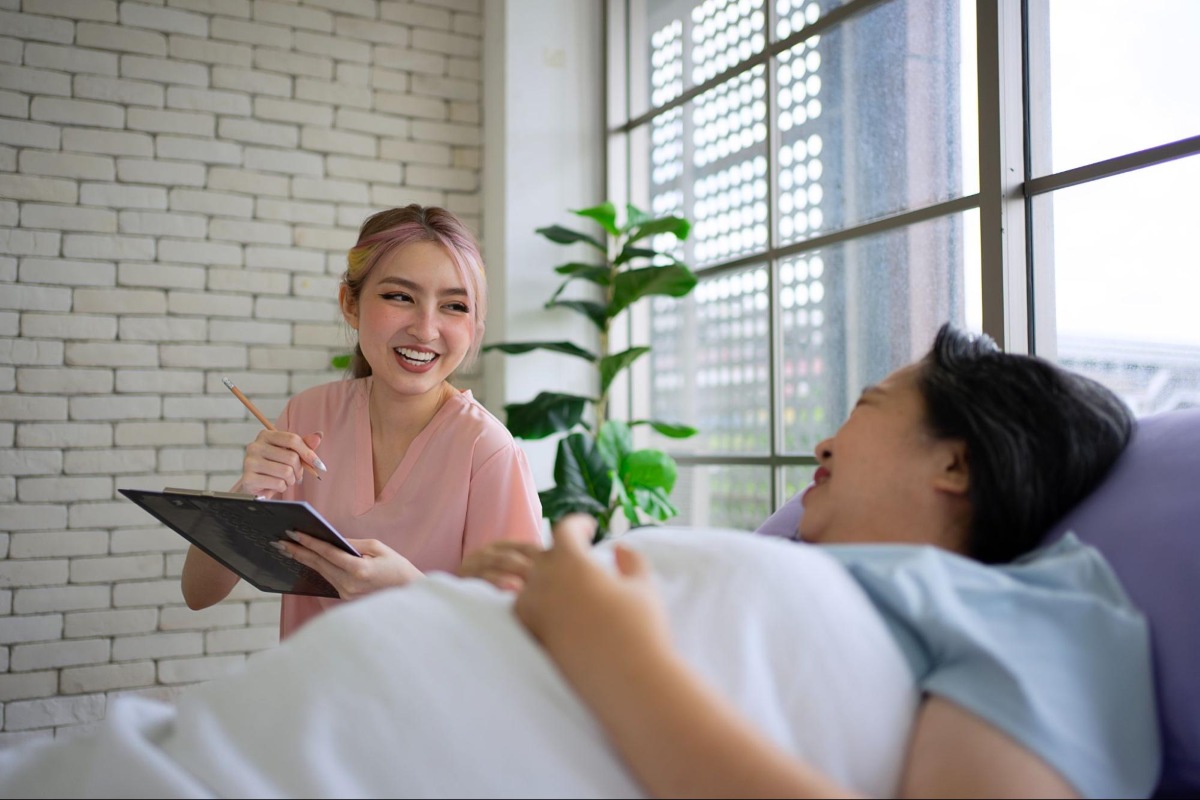
Working through these early challenges is a normal part of starting CPAP therapy, and most users find their stride once their setup is properly dialled in. Whether you’re just getting started or looking to fine-tune an existing routine, having a sleep specialist in Singapore review your mask fit, machine settings, and usage data can make a real difference to your comfort and results.
Sleeping Lab’s lifetime aftercare support is designed to help you get the most out of every night of CPAP for sleep apnea therapy. Book a consultation today and take the next step toward more comfortable, effective sleep.