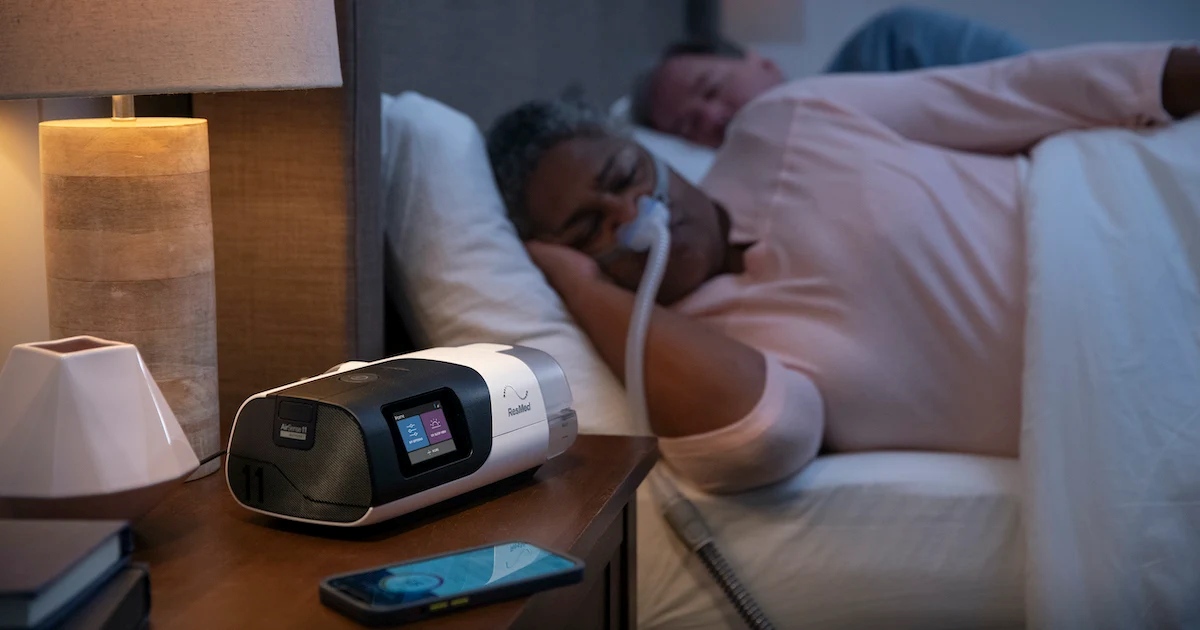
Starting CPAP therapy comes with a mix of relief and uncertainty. Some new users expect to wake up transformed after night one, and feel discouraged when that doesn’t happen. If you are wondering how long does CPAP take to work, the honest answer is that adjustment takes time, and that is both normal and well documented. The therapy is working even before you consciously feel it.
What to Expect in the First Few Days
Most new users spend the first few nights adjusting to the sensation of wearing a mask and breathing with continuous positive airway pressure. That is normal and does not mean CPAP therapy isn’t working.
Some people notice an immediate reduction in snoring or morning grogginess, but this is not universal and not a reliable measure of whether therapy is effective. The priority in week one is consistency: getting steady hours on the machine and growing used to sleeping with a mask matters more than any early results.
When Do Most People Start to Feel a Difference in Their Sleep?
Noticeable improvements in daytime energy, concentration, and mood typically begin to emerge between two and four weeks of consistent nightly use. That timeline reflects how long the body needs to recover from months or years of fragmented, oxygen-deprived sleep. A few nights of CPAP therapy will not immediately reverse that deficit.
Machine data, available through most modern CPAP devices, often shows objective improvements in apnea events before you subjectively feel better. Checking that data alongside how you feel gives a fuller picture of whether CPAP results are on track.
What Affects How Quickly CPAP Works?
Several factors influence how long CPAP takes to work, and some are more fixable than others.
- Severity of OSA: The severity of OSA can influence the type and extent of improvement, but it does not reliably predict how quickly someone will feel better.
- Mask fit: A poor seal causes air leaks that reduce therapy pressure and slow progress, one of the most common and fixable reasons for delay
- Consistency: Using CPAP intermittently significantly delays results, since nightly use, even for shorter sleep periods, works better than occasional full nights
- Pressure settings: An incorrect prescribed pressure makes therapy less effective, which is where follow-up care makes a material difference
When to Review Your CPAP Therapy
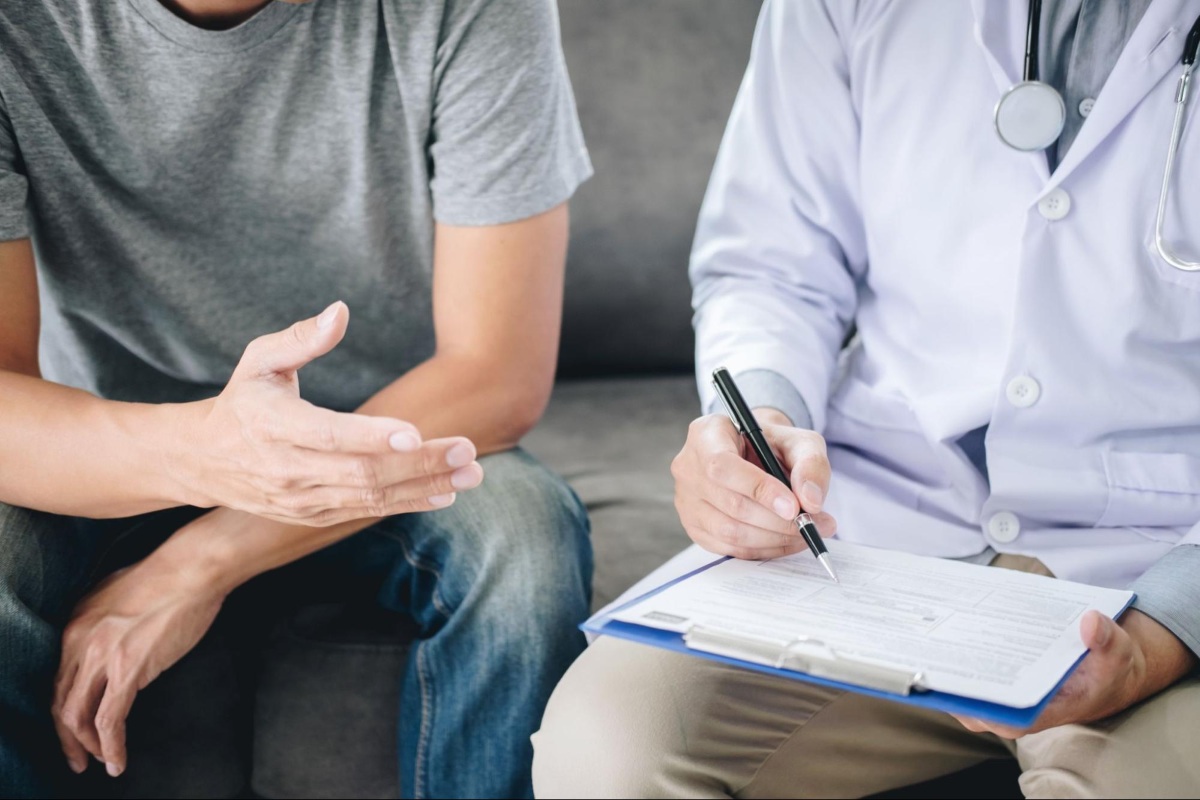
Image by elleaon on Magnific
How quickly CPAP works is closely tied to how well therapy is set up from the start. The right machine, mask fit, and pressure settings all determine how soon results appear.
Starting CPAP therapy in Singapore with proper clinical guidance removes much of the guesswork from the adjustment period, giving new users a clearer baseline and someone to turn to if progress stalls. New users may experience some challenges along the way, from mask discomfort to pressure adjustments, and having support on hand makes those early weeks easier to manage.
If you are newly diagnosed or considering CPAP, book a consultation at Sleeping Lab. An in-depth assessment from a sleep specialist in Singapore and a tailored treatment plan can help therapy start with appropriate settings and provide a clear pathway for follow-up adjustments.