
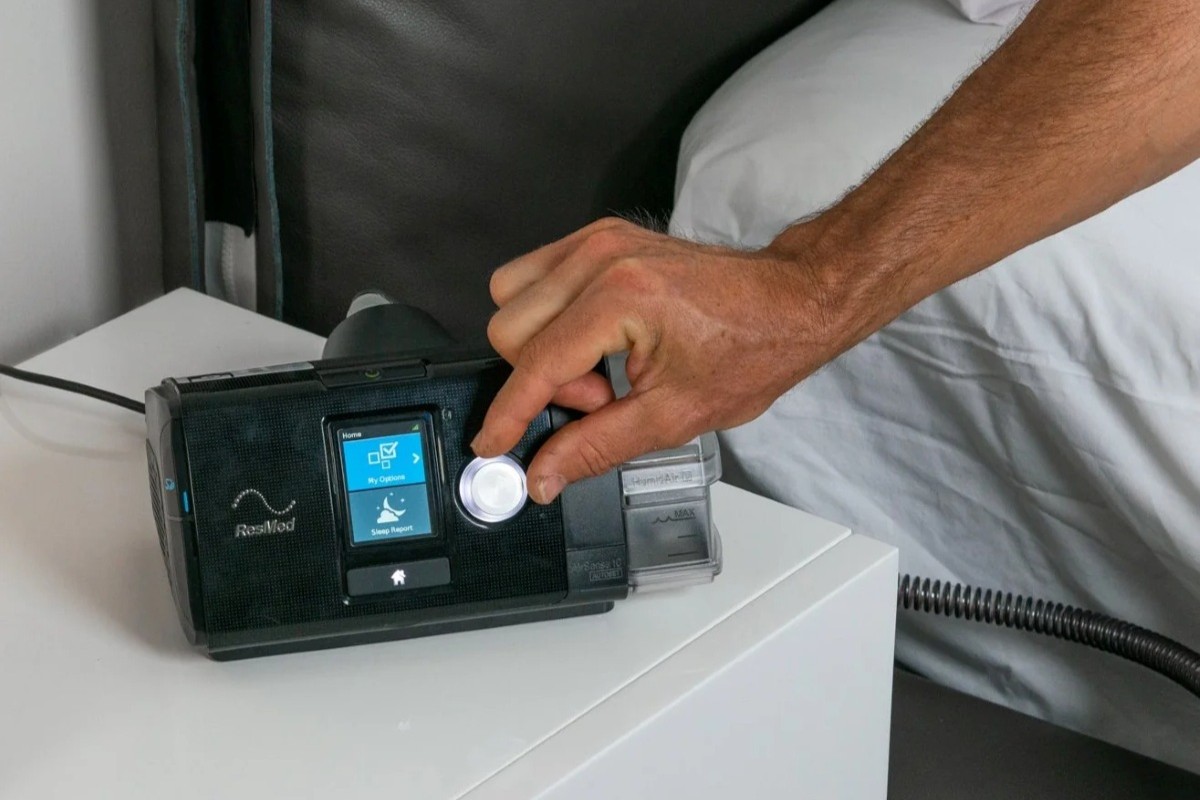
CPAP therapy works only as well as the equipment delivering it. When a CPAP machine goes uncleaned, it can introduce bacteria, reduce how effective your therapy feels, and shorten the lifespan of the device itself.
Singapore’s humid climate can make thorough air-drying especially important and may mean that filters and other components need more frequent inspection.
Fortunately, keeping a CPAP machine clean and well maintained takes just a few consistent habits woven into your existing routine.
This guide covers what needs cleaning, how often to clean each part, and how to tell when it’s time to replace components that wear out over time.
What Parts of Your CPAP Machine You Should Be Cleaning (and How Often)
Different parts of a CPAP machine collect moisture, oils, and bacteria at different rates, so each one calls for its own cleaning routine. Understanding which parts need daily attention and which can wait until a weekly clean makes the whole process far easier to keep up.
- Mask cushion: Clean daily according to the mask’s user guide to remove facial oils and residue.
- Mask frame, headgear and tubing: Clean weekly using the method specified for each component.
- Humidifier water chamber: Empty, rinse, and air dry the chamber each morning, and avoid leaving standing water inside between uses.
- Weekly deep clean: Wash all components with mild soap and warm water once a week to remove buildup that daily rinsing alone cannot fully clear.
A couple of small habits make this routine even more effective:
- Handwashing: Wash your hands before handling any part of the machine, since oils and germs transfer easily from fingers to the mask.
- Distilled water: Fill the humidifier chamber with distilled water rather than tap water, as this reduces mineral buildup and helps the chamber last longer.
- Air drying: In Singapore’s climate, air drying components somewhere well ventilated speeds up the process and reduces the chance of lingering dampness inside the tubing.
Staying on top of this routine keeps a CPAP machine hygienic and ready for nightly use, without adding much time to your morning schedule.
Steps to Clean Your CPAP Machine Properly
Beyond knowing what to clean, following the right method matters just as much. A few careful steps protect both your equipment and your skin, and most take only a few extra minutes once they become a habit.
Conversely, rushing the process or reaching for the wrong products can wear down components faster than ordinary daily use otherwise would.
Set aside a basin or tub large enough to hold the mask and tubing, and use clean, drinking-quality water throughout the process. Then work through the steps below in order for the best results.
- Disassemble: Take apart the mask, tubing, and water chamber before cleaning, and keep the main device unit dry at all times.
- Wash gently: Use warm, drinking-quality water and a small amount of mild liquid detergent or soap, following the instructions in your product’s user guide.
- Air-dry properly: Lay all parts on a clean towel away from direct sunlight, which can affect silicone components over time.
- Skip harsh chemicals: Avoid bleach or alcohol based wipes on mask cushions and silicone parts, as these can break down the material and irritate skin.
Sticking to this process protects both your equipment and your skin, night after night. Over time, it also helps the mask maintain a proper seal, which keeps your prescribed pressure consistent and your therapy working as intended.
How to Tell When It’s Time to Replace Your CPAP Components
Even with regular cleaning, CPAP parts gradually wear down and need periodic replacement to maintain a proper seal and good hygiene. Cleaning slows this wear, but it cannot prevent it altogether. Worn parts may become harder to clean thoroughly or may no longer maintain a reliable seal.
The intervals below serve as a general guide. Always check your machine’s manufacturer instructions too, since these can vary slightly between brands and models.
- Mask cushion or nasal pillows: approximately monthly
- Machine air filter: approximately monthly
- Mask frame and tubing: approximately every three months
- Headgear, chin strap and humidifier tub: approximately every six months
Keeping a simple record of replacement dates makes it easier to track when each part is due for a swap. A notebook or phone reminder works well for this, and it also helps you spot patterns, such as a cushion that wears out sooner than expected.
A deteriorating mask cushion is a common cause of air leaks. If your therapy data shows a rising leak rate, checking the cushion first is often the quickest way to find the cause. Stiff, cracked, or discoloured cushions are usually easy to spot once you know what to look for.
Replacement parts add up over time, so it is worth weighing them against the cost of a CPAP machine when budgeting long term.
Keep Your CPAP Machine in Good Shape with The Sleeping Lab
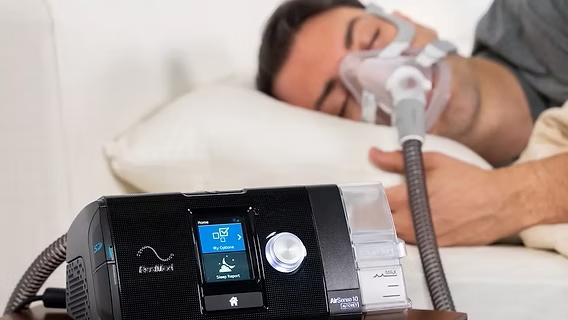
Regular maintenance is about more than hygiene. It directly affects how well your CPAP therapy controls your sleep apnea, night after night. Well-maintained equipment can support mask comfort, a reliable seal and consistent therapy use.
If you are unsure whether your equipment needs replacing, a follow-up with a sleep specialist in Singapore can pinpoint the issue quickly. The same applies if your therapy data shows changes in leak rate or pressure, since a quick equipment check often catches problems you might otherwise miss.
At The Sleeping Lab, our team is on hand to help with equipment checks, part replacements, and therapy reviews whenever you need them. Contact us if your machine needs attention, whether for a routine check-up or a replacement.