Snoring Solutions: Causes, Diagnosis & Treatments
Persistent snoring can be more than a simple nuisance; ait may affect both you and your partner’s well-being. The first step toward finding out how to treat chronic snoring is to address the root cause of your nighttime breathing issues.
What is Snoring?
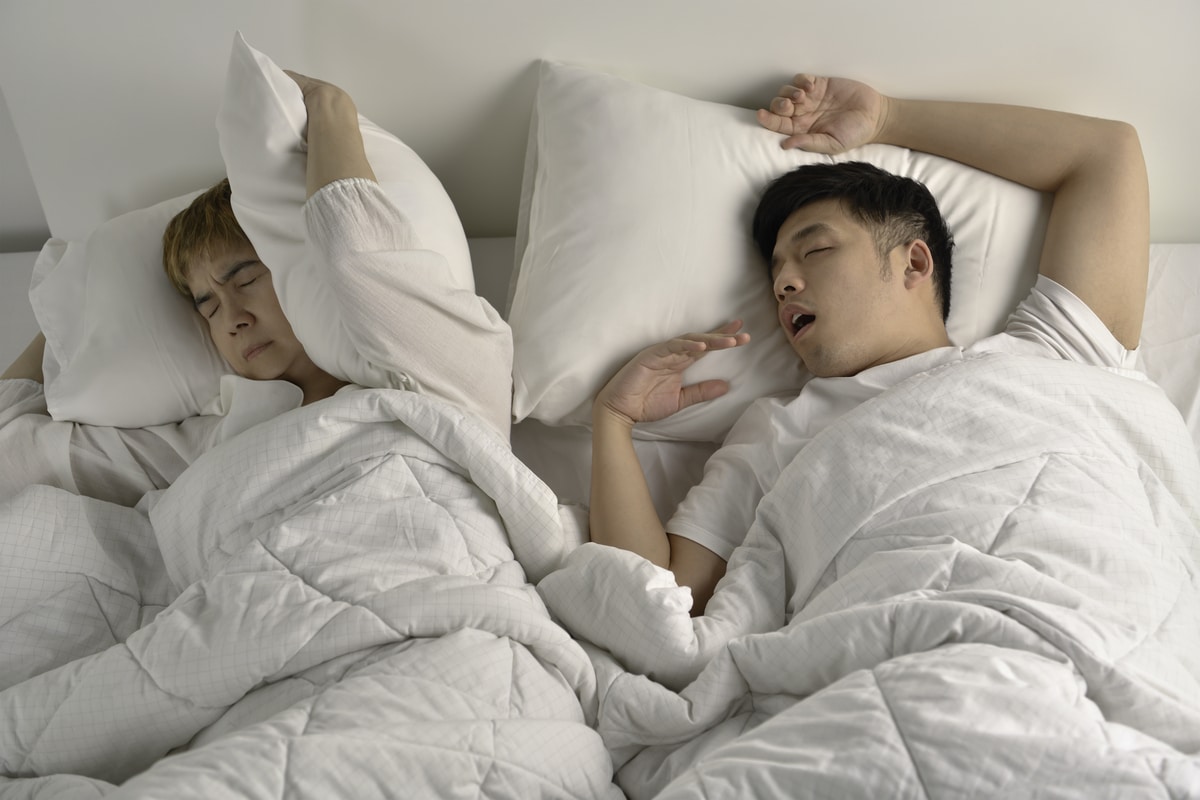
A quiet night’s sleep is essential for your health and well-being. Snoring occurs when the air you breathe cannot flow freely through your nose and throat during sleep. This restriction causes the surrounding tissues to vibrate, creating the sound of snoring. For some individuals, these vibrations turn rest into a nightly struggle, affecting the snorer and their loved ones.
At Sleeping Lab, our specialists in sleep health understand how disruptive chronic snoring can be. We aim to provide effective solutions that address the vibrations in the throat, helping you breathe easier, sleep better, and enjoy healthier days ahead.
Is Snoring Normal?
Occasional, light snoring is generally not a cause for concern. However, loud, persistent snoring that occurs on most nights is a strong indicator of a partially obstructed airway. This type of chronic snoring is not normal and may be a symptom of a more serious underlying condition, such as Obstructive Sleep Apnea (OSA), which requires medical attention.
What Causes Snoring?
Snoring can stem from multiple causes, ranging from physiological factors to lifestyle choices. Understanding these root issues is the first step in identifying how you can treat the vibrations that disrupt your rest.
Throat Anatomy
The structure and movement of tissues within the throat play a significant role in airway stability. During sleep, certain anatomical factors can narrow the passage, leading to the vibrations associated with chronic snoring.
- Relaxed Throat Muscles: When muscles in the upper airway relax excessively, the airway narrows. As air passes through this restricted space, the surrounding soft tissues vibrate.
- Tongue Collapse: In certain positions, the tongue can fall backward toward the throat. Such a movement reduces the space available for airflow, often worsening sleep apnea symptoms.
- Tonsils: Enlarged tonsils or adenoids can physically crowd the airway. This structural narrowing is a common cause of restricted breathing and loud snoring.
Nasal & Airway Blockages
Difficulties breathing through the nose often force individuals to breathe through their mouth, which increases the likelihood of airway vibration. Nasal and airway blockages can significantly restrict airflow during sleep.
- Nasal Congestion: Inflammation from allergies or colds can swell the nasal passages. Restricted nasal airflow creates a vacuum effect in the throat, pulling tissues together and causing them to vibrate.
- Deviated Septum: A crooked wall between the nostrils can block airflow on one or both sides. This physical obstruction makes it harder to breathe steadily through the nose while resting.
- Sinus Issues: Chronic sinus infections or polyps can lead to persistent airway resistance. Addressing these blockages is often part of a comprehensive treatment plan for chronic snoring.
Lifestyle & Sleep Position
Daily habits and resting postures can significantly influence airway resistance. Certain choices may lead to increased tissue relaxation or inflammation, which narrows the breathing passage and makes chronic snoring more likely to occur during the night.
- Alcohol: Consuming alcohol before bed acts as a muscle relaxant, causing the throat muscles to lose tone. Such relaxation allows the airway to collapse more easily, which often worsens the severity of snoring.
- Smoking: Tobacco use can lead to inflammation and fluid retention in the upper airway. These changes restrict the space available for airflow, potentially increasing the risk of developing sleep apnea.
- Obesity: Carrying excess weight, particularly around the neck, can narrow the internal diameter of the airway. This physical compression makes the passage more prone to vibrating as air is forced through a smaller space.
- Sleeping Posture: Resting on your back often causes the tongue and soft palate to collapse toward the back of the throat. Adjusting to a side-sleeping position is a simple step in learning how you can treat position-dependent breathing sounds.
Is Your Snoring a Sign of Sleep Apnea?
Occasional, light snoring is generally not a cause for concern. However, loud, persistent chronic snoring is a strong indicator of a partially obstructed airway. Such symptoms may signal Obstructive Sleep Apnea (OSA), which requires professional medical attention.
While loud snoring is a primary indicator of sleep apnea, the two are not identical. Simple snoring involves tissue vibration without significant breathing interruptions. Conversely, sleep apnea involves frequent pauses in breathing that lead to oxygen drops and fragmented sleep.
|
Feature |
Simple Snoring |
Obstructive Sleep Apnea (OSA) |
|
Airway Status |
Partially restricted; tissues vibrate. |
Repeatedly collapses or becomes fully blocked. |
|
Breathing Patterns |
Continuous, though noisy. |
Frequent pauses (apneas) or shallow breathing. |
|
Oxygen Levels |
Generally remain stable. |
Often drop significantly during sleep. |
|
Daytime Symptoms |
Minimal fatigue. |
Excessive sleepiness, headaches, and irritability. |
|
Health Risks |
Low risk of systemic issues. |
Linked to hypertension and cardiovascular issues. |
Persistent chronic snoring can indicate more than just a noisy night. When airway vibrations are part of Obstructive Sleep Apnea, other physiological indicators often appear as the body struggles with restricted airflow. Identifying these symptoms is a practical step in determining how you can treat the underlying cause of your sleep disruption.
Look out for the following signs that may suggest your snoring is linked to a sleep disorder:
- Gasping or choking: Waking suddenly for air suggests the body is reacting to a temporary lack of oxygen during a breathing pause.
- Morning headaches or dry mouth: Restricted airflow can lead to carbon dioxide buildup or forced mouth breathing, resulting in discomfort upon waking.
- Daytime fatigue: Fragmented sleep prevents you from reaching restorative stages, causing excessive sleepiness and difficulty focusing during the day.
- Mood changes: A lack of quality rest frequently leads to increased irritability and mood swings.
- Frequent breathing pauses: Observers may notice moments where breathing stops entirely before resuming with a loud snort.
How Snoring is Diagnosed
At Sleeping Lab, identifying the root cause of your nighttime breathing issues involves a structured, evidence-based approach. Our specialists follow a step-by-step process to ensure you receive the most appropriate solutions for your sleep health.
- Clinical Evaluation: Our specialists conduct a thorough examination of the nose, mouth, and throat. Such assessments help identify physical obstructions, such as enlarged tonsils or a deviated septum, that may be causing restricted airflow.
- Sleep History Review: Completing detailed sleep questionnaires allows our team to understand your symptoms and lifestyle factors. These insights provide context for your snoring patterns and daytime energy levels.
- Professional Sleep Assessment: An overnight study (Polysomnography) serves as the definitive method for analysing your breathing. Depending on your needs, our team will recommend either an in-clinic study or a home sleep apnea test.
Sleep Studies for Snoring & Sleep Apnea
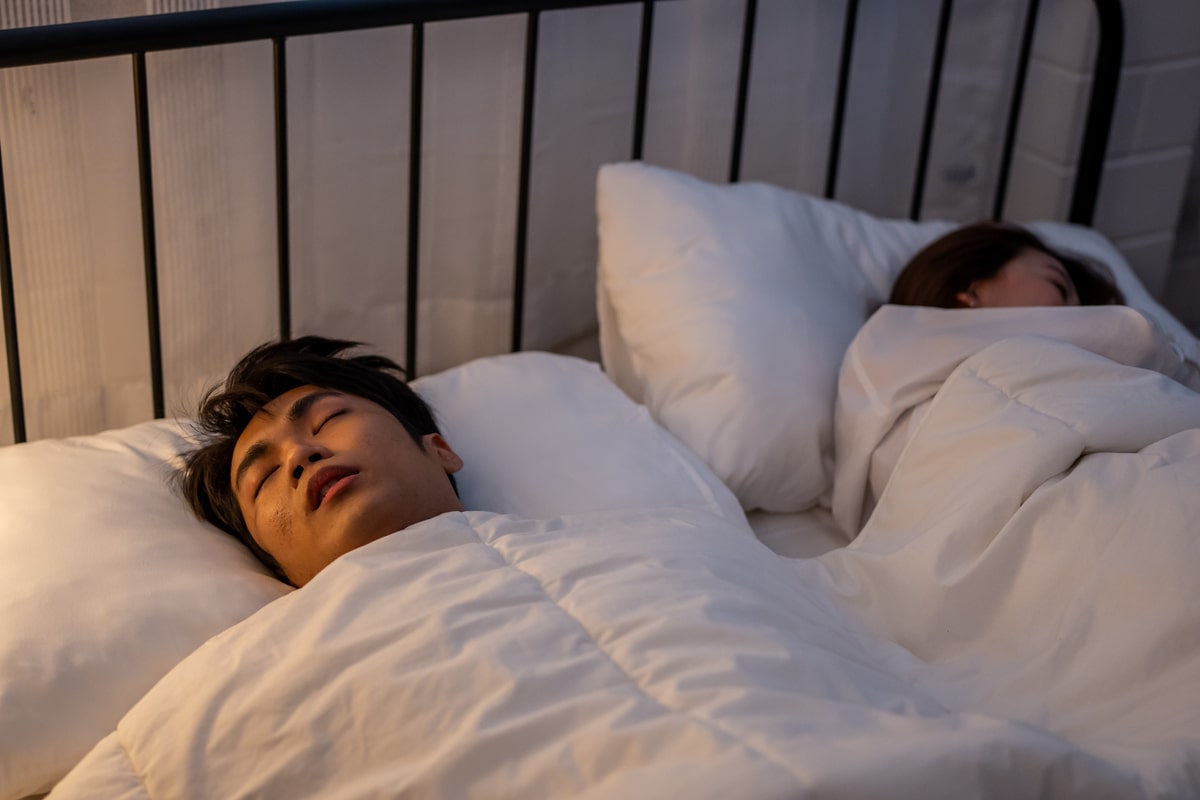
A home sleep apnea test offers a convenient way to monitor your breathing in a familiar environment. Portable equipment measures oxygen levels, heart rate, and airflow while you rest in your own bed. Performing the study at home ensures the recorded data reflects your average sleep conditions in Singapore, helping specialists determine how to treat your specific cause of snoring.
Lifestyle Changes to Reduce Snoring
Adjusting daily habits is often the first step in managing airway resistance. Certain lifestyle modifications can significantly reduce tissue vibration and improve the quality of your rest.
Changing Sleep Position and Weight Management
Resting on your side prevents the tongue and soft tissues from collapsing toward the back of the throat, which helps maintain an open airway. Additionally, losing weight through regular exercise reduces excess tissue around the neck. Such changes decrease the pressure on your breathing passage, allowing for smoother airflow and fewer instances of chronic snoring.
Reducing Alcohol Intake
Alcohol acts as a potent muscle relaxant that causes the tissues in the throat to lose their natural tone. When these muscles relax excessively, the airway narrows and vibrates more loudly as air passes through. Avoiding alcohol before bed or reducing overall intake is an effective way to learn how to treat the root cause of snoring.
Medication
Managing nasal congestion through medication can help reduce airway resistance. Antihistamines, nasal steroid sprays, and saline rinses address inflammation from allergies. By clearing the nasal passages, these solutions facilitate easier breathing and may decrease the vibrations in the throat that cause snoring.
Throat & Mouth Exercises to Tackle Snoring
Strengthening the muscles around the throat and mouth through targeted exercises is one option for how you can treat the vibrations that lead to chronic snoring. Research into myofunctional therapy suggests that toning these muscle groups reduces their likelihood of collapsing during rest, providing a non-invasive addition to your sleep apnea treatment plan.
Tongue Slide
Sliding the tongue helps tone the muscles at the roof of the mouth and the back of the throat.
- Place the tip of your tongue against the back of your top front teeth.
- Slowly slide your tongue backward along the roof of your mouth.
- Repeat the motion for several minutes daily to improve muscle tone.
Tongue Stretch
Stretching the tongue increases its flexibility and prevents it from falling backward into the airway.
- Stick your tongue out as far as possible.
- Point your tongue toward the ceiling and then toward your chin.
- Hold each stretch for ten seconds to build endurance in the tongue muscles.
Tongue Push Up and Push-Down
Pushing the tongue against resistance helps firm the tissues that often contribute to airway obstruction.
- Press your entire tongue against the roof of your mouth and hold for ten seconds.
- Place the tip of your tongue against your lower front teeth.
- Push the back of your tongue flat against the floor of your mouth and hold.
Cheek Hook
Using light resistance exercises the cheek muscles to encourage better mouth closure during sleep.
- Use a clean finger to hook one cheek outward.
- Pull the cheek muscle back inward against the resistance of your finger.
- Repeat ten times on each side to strengthen the facial muscles.
Blowing a Balloon
Blowing into a balloon requires controlled airflow, which strengthens the intercostal and throat muscles.
- Take a deep breath through your nose.
- Blow into a balloon as long as possible with a steady exhale.
- Repeat five to ten times to help improve airway muscle control.
Breathing through Your Nose
Nasal breathing is a key component of quiet sleep and effective solutions for snoring.
- Keep your lips closed and your jaw relaxed.
- Inhale and exhale solely through your nose.
- Practise this for several minutes to encourage proper airway usage during rest.

When Should You See a Sleep Specialist
While occasional nighttime noise may not require medical intervention, identifying when your snoring indicates a deeper health concern is vital for long-term well-being. Seeking professional advice from a sleep specialist in Singapore is recommended if chronic snoring is persistent, disruptive, or accompanied by symptoms that suggest an underlying breathing disorder like sleep apnea.
Consulting a specialist allows for an accurate diagnosis and a tailored treatment plan, especially if you observe any of the following warning signs:
- Choking or gasping sounds: Waking up suddenly while struggling for air suggests that the body is reacting to a physical airway obstruction.
- Excessive daytime sleepiness: Feeling exhausted despite a full night’s rest often indicates that your sleep is fragmented and non-restorative.
- Witnessed breathing pauses: Partner reports of you stopping breathing or “snorting” during sleep are primary indicators of sleep apnea.
- Morning headaches: Waking with a dull headache can be a result of lower oxygen levels or restricted airflow throughout the night.
- High blood pressure: Hypertension that is difficult to manage may be linked to the cardiovascular stress caused by untreated chronic snoring.
Why You Shouldn't Ignore Chronic Snoring
It is important to address persistent snoring due to its links to significant health risks.
- Loud snoring: Snoring is a primary symptom, resulting from air being forced through a partially blocked airway.
- Gasping or choking: You may wake up gasping for air as your body reacts to the lack of oxygen during an apnea or breathing pause.
- Dry mouth: Waking with a dry mouth or sore throat can be a result of breathing through your mouth due to an obstruction.
- Daytime fatigue: Poor sleep quality leads to excessive daytime sleepiness, impacting your concentration and energy levels.
- Irritability: The ongoing lack of restorative sleep can negatively affect your mood, causing increased irritability and mood swings.
Anti-Snoring Devices & Oral Appliances
For many individuals, anti-snoring devices prescribed by a healthcare professional offer a non-invasive treatment option. Recognising the difference between over-the-counter products and medically prescribed devices ensures you receive an appropriate intervention for your specific diagnosis. At Sleeping Lab, we provide solutions that are based on clinical evidence to manage airway obstruction effectively.
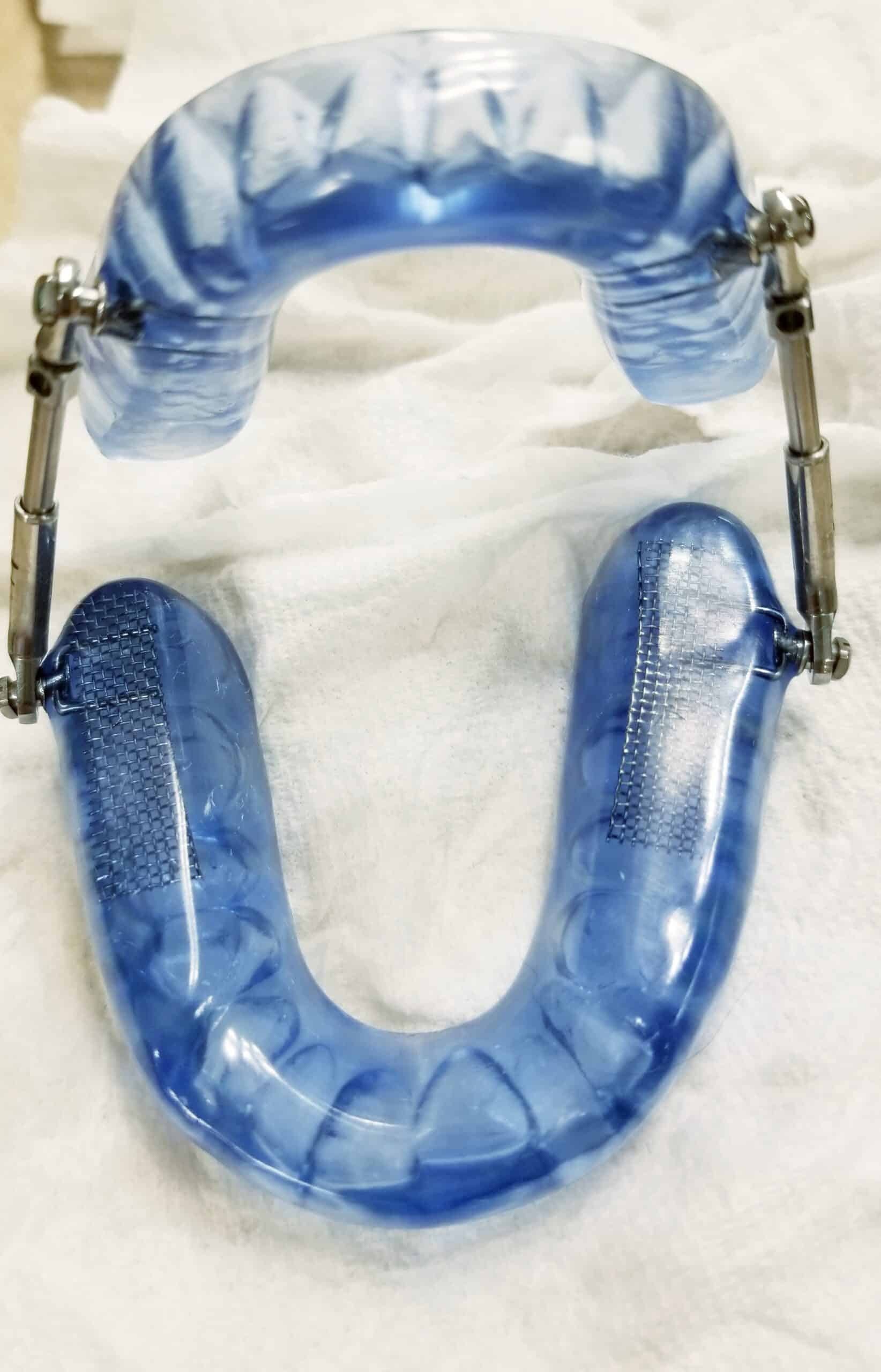
Oral Appliances (Mandibular Advancement Devices)
A Mandibular Advancement Device (MAD) is a custom-made mouthpiece used as a non-surgical snoring solution. It is designed to be worn during sleep to maintain airway patency.
- How it Works: Gently moves the lower jaw forward to keep the airway open and prevent tissue vibration in the throat.
- Pros: Highly effective, silent, portable, and non-invasive.
- Cons: Requires professional fitting; may cause temporary jaw discomfort.
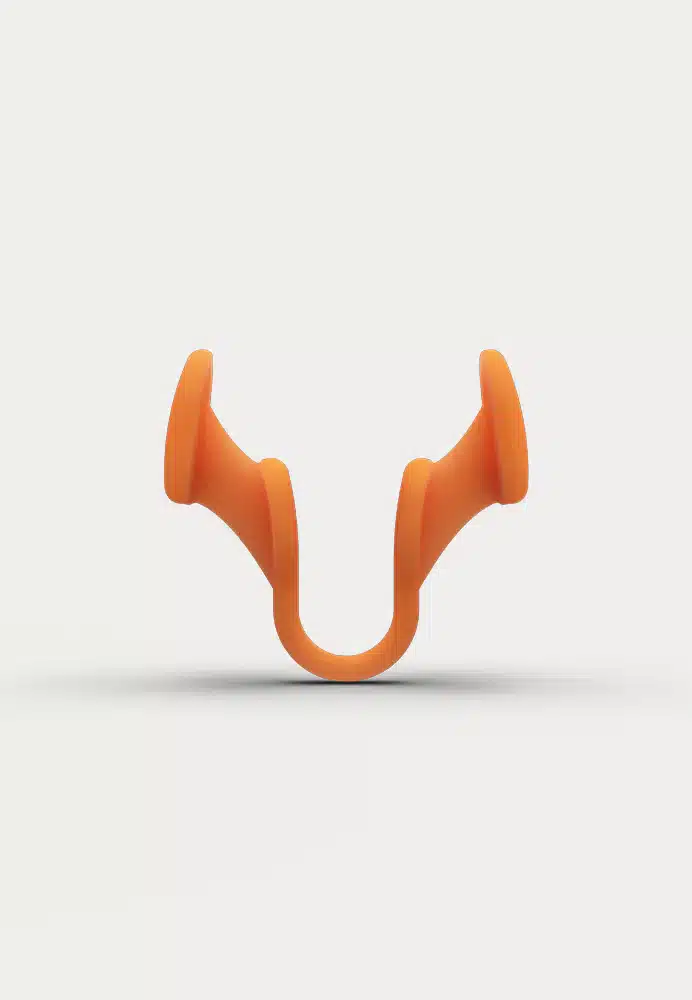
Nasal Dilators and Breathing Aids
Nasal dilators are simple devices designed to improve airflow through the nasal passages. They come as either external strips that stick to the outside of the nose or internal dilators that fit inside the nostrils.
- How it Works: External strips or internal dilators physically hold the nostrils open to improve nasal breathing.
- Pros: Inexpensive and widely available.
- Cons: Does not treat snoring originating from the throat, nor does it address sleep apnea.

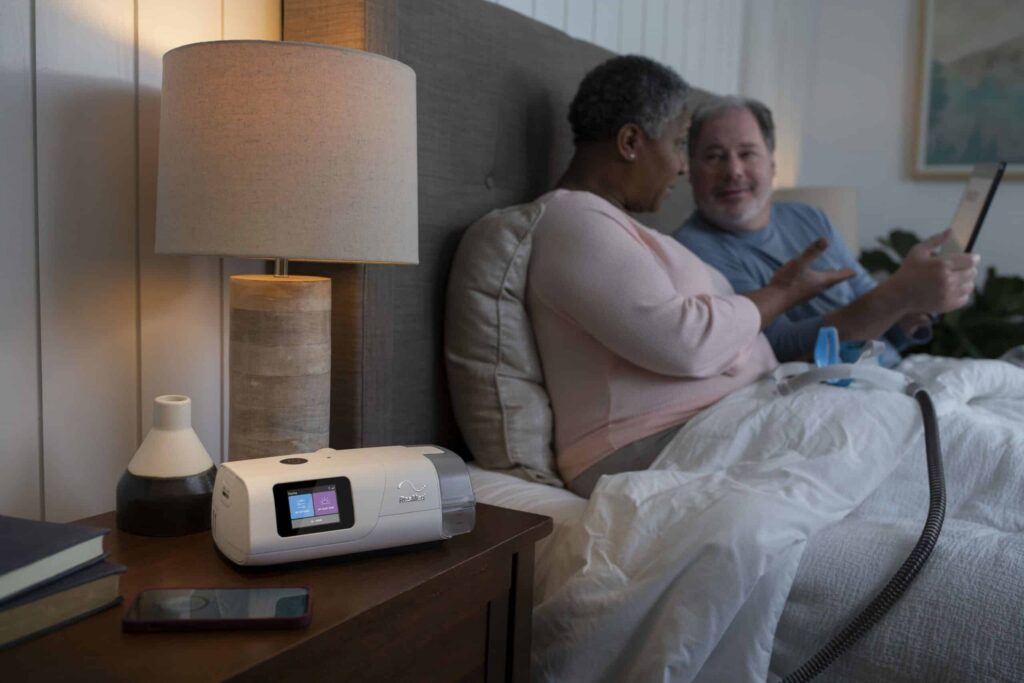
CPAP Machines for Sleep Apnea
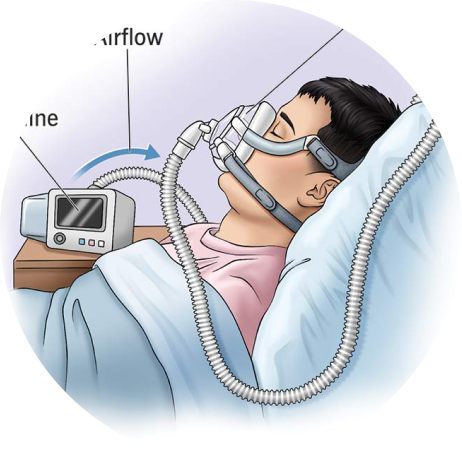
Continuous positive airway pressure (CPAP) therapy is one of the most effective solutions for treating obstructive sleep apnea (OSA) and the associated snoring.
- How it Works: Delivers a continuous stream of pressurised air through a mask, keeping the airway open and preventing both snoring and breathing pauses.
- Pros: Highly reliable method for eliminating sleep apnea and its associated snoring
- Cons: Can be cumbersome for some users as requires nightly use and regular cleaning.
Comparing OTC Devices vs Clinically Fitted Devices for Chronic Snoring
Selecting the right device is essential for effective airway management. Over-the-counter (OTC) options are often generic in fit and may only address mild, superficial symptoms. In contrast, clinically fitted devices are customised to your unique anatomy, providing a more reliable way to manage chronic snoring and underlying sleep apnea issues.
|
Feature |
Over-the-Counter (OTC) Devices |
Clinically Fitted Devices |
|
Fit & Customisation |
One-size-fits-all or "boil-and-bite" fit. |
Custom-moulded to your specific dental and jaw structure. |
|
Efficacy |
Variable; often less effective for deeper throat vibrations. |
High; designed to address the specific site of obstruction. |
|
Comfort |
May cause irritation or jaw strain due to poor fit. |
Optimised for long-term comfort and minimal jaw stress. |
|
Medical Oversight |
Self-managed; no clinical monitoring. |
Prescribed and adjusted by sleep specialists. |
|
Durability |
Typically made of lower-grade materials. |
Constructed from durable, medical-grade materials. |
Other Treatment Options for Obstructive Sleep Apnea
Laser Treatment for Snoring
For individuals seeking a non-invasive procedure, laser treatment for snoring offers a modern option to manage nighttime noise. Clinical approaches such as laser-assisted uvulopalatoplasty (LAUP), uses targeted laser energy to thermally heat and stiffen the tissues of the soft palate. Such a process reduces the vibrations within the throat that cause snoring.
Clinical observations associated with this procedure include:
- The in-clinic procedure is associated with minimal discomfort.
- Patients reportedly experience little-to-no downtime, allowing for a resumption of normal activities.
- A reduction in snoring may be reported after the initial session.
A full course of treatment may involve 2-3 sessions, spaced several weeks apart, to achieve the desired result. Our specialists provide the diagnostic evaluations necessary to determine if referral for this approach is suitable for the specific causes of your chronic snoring.
Surgical Snoring Solutions for Chronic Snoring
Surgical intervention is typically considered when a physical examination identifies a clear anatomical obstruction that contributes to chronic snoring or sleep apnea. The objective of these procedures is to widen the airway and reduce the amount of vibrating tissue, facilitating smoother airflow during sleep.
Choosing the appropriate surgical technique depends on the specific site of the blockage identified during your diagnostic evaluation in Singapore. Our specialists can offer the necessary assessments to identify candidates for the following procedures.
- Uvulopalatopharyngoplasty (UPPP): This procedure involves the removal of excess tissue from the soft palate and uvula. By trimming and tightening these structures at the back of the throat, the airway is widened to reduce the vibrations associated with snoring.
- Septoplasty: A deviated septum—where the wall between the nostrils is crooked—can significantly restrict nasal breathing. Septoplasty straightens this cartilage and bone to improve airflow through the nose, which may reduce the vacuum effect that causes throat tissues to collapse.
- Tonsillectomy and Adenoidectomy: Enlarged tonsils or adenoids can physically crowd the upper airway, especially in individuals with a narrow throat anatomy. Removing these tissues creates more space for air to pass through freely, often alleviating loud chronic snoring.
- Radiofrequency Ablation: This minimally invasive technique uses controlled energy to create small areas of scar tissue on the soft palate or tongue. As these areas heal, the tissue shrinks and stiffens, making it less likely to vibrate or obstruct the airway during rest.
Laser Treatment for Snoring (Non-Invasive Option)
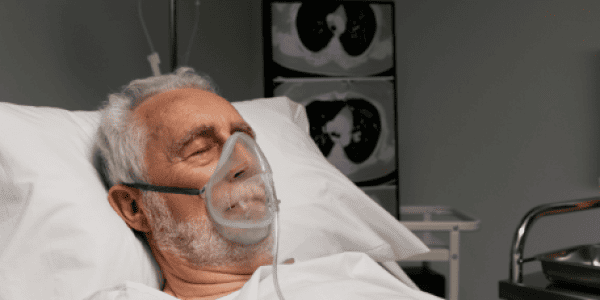
For individuals seeking a non-invasive procedure, laser treatment for snoring offers a modern and effective solution. This treatment, known as laser-assisted uvulopalatoplasty (LAUP), uses targeted laser energy to gently heat and stiffen the tissues of the soft palate. This process reduces the vibrations that cause snoring.
Key benefits of this procedure include:
- It is an in-clinic procedure associated with minimal discomfort.
- There is typically no required downtime, allowing for a resumption of normal activities.
- Some patients report a reduction in snoring after the initial session.
Sleep Apnea & Surgical Solutions
When non-surgical treatments are not sufficient, a structural correction of the airway may be explored.
When Is Surgery Recommended for Snoring?
Surgery is typically recommended if non-invasive methods like CPAP or oral appliances are ineffective or not tolerated by the patient. It is also a primary option if a physical examination reveals a clear anatomical blockage, such as enlarged tonsils or a deviated septum, that can be surgically corrected.

Common Surgical Options
Several surgical procedures are available to address the physical structures that contribute to snoring and sleep apnea. The specific surgical procedure depends on the location of the obstruction.
- Uvulopalatopharyngoplasty (UPPP): Removes excess tissue from the soft palate and uvula to open the back of the throat.
- Septoplasty: Straightens a deviated septum to improve airflow through the nose.
- Tonsillectomy and Adenoidectomy: Removes enlarged tonsils and/or adenoids that are blocking the airway.
- Radiofrequency Ablation: Uses energy to shrink and stiffen tissues in the soft palate or tongue, reducing the vibrations that cause snoring.
Sleeping Lab’s Snoring Solutions
Choosing Sleeping Lab for your chronic snoring diagnosis and treatment means choosing a path to better sleep health and well-being. Our sleep clinic in Singapore provides an evidence-based approach to managing airway health:
By providing a comprehensive range of solutions—from custom-fitted anti-snoring devices to advanced laser treatment for snoring and surgical consultations—we partner with you to achieve quiet, restorative sleep.
Extensive Expertise: Our team of experienced sleep specialists brings the deep knowledge needed to ensure an accurate diagnosis and treatment plan for you.
Advanced Diagnostics: We use modern equipment to provide detailed assessments, ensuring the root causes of your snoring are precisely identified.
Transparent Care Models: We offer a range of comprehensive and structured packages to make quality sleep care accessible to those seeking professional solutions.
Personalised Plans: We develop tailored treatment plans that address your individual anatomical needs and lifestyle.
Frequently Asked Questions about Snoring Solutions
Pay attention to symptoms like loud snoring, pauses in your breathing while you sleep, gasping for air, and waking up with a dry mouth or headache. If you experience these signs or excessive daytime sleepiness, we recommend that you consult a sleep specialist in Singapore or schedule a professional sleep apnea test.
Achieving a permanent reduction in snoring often requires addressing the underlying physiological causes. While lifestyle changes like weight management and avoiding alcohol can provide significant relief, treatment options like laser therapy or surgery may be necessary.
Please consult a sleep specialist in Singapore to determine how to best treat your specific cause of snoring for long-term relief.
While many patients find successful treatment, a "cure" depends on the root cause. Structural issues may be resolved through surgery, whereas lifestyle-related snoring requires ongoing management.
Our sleep specialists focus on finding solutions that significantly reduce or eliminate vibrations in the throat to restore quiet, healthy sleep.
Medically prescribed devices, such as custom-fitted Mandibular Advancement Devices (MADs), are evidence-based solutions for managing chronic snoring. These devices physically maintain an open airway, though their effectiveness depends on an accurate diagnosis.
Specialist-led treatment ensures the device addresses your specific anatomical needs rather than providing a generic fit.
Oral appliances and CPAP machines are generally the most reliable solutions for snoring originating in the throat. These methods prevent the soft tissues from collapsing and vibrating.
An assessment at a sleep clinic in Singapore is the best way to determine how you can treat your specific condition effectively.