CPAP Therapy for Sleep Apnea
Continuous Positive Airway Pressure (CPAP) therapy uses a machine to provide a gentle stream of pressurised air to keep your airways open as you sleep, preventing the symptoms of sleep apnea and helping patients achieve better rest.
What is CPAP Therapy and How Does It Work?
Continuous Positive Airway Pressure (CPAP) therapy is a non-invasive treatment for Obstructive Sleep Apnea (OSA). OSA occurs when the muscles in the back of your throat over-relax and collapse backwards during sleep, physically blocking your windpipe and creating a seal that stops air from reaching your lungs.
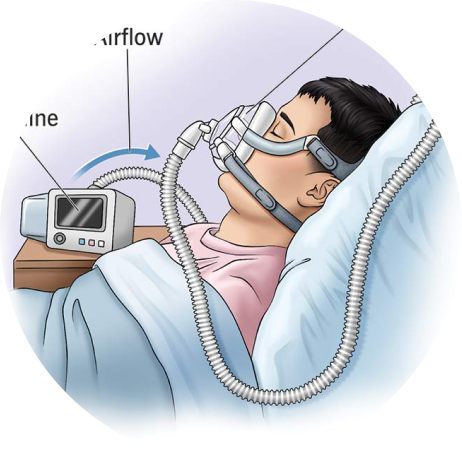
In order to prevent this, CPAP for sleep apnea uses a setup consisting of:
- CPAP Machine: A device that takes in room air, filters it and pressurises it to a specific level prescribed by your sleep specialist.
- Delivery: The pressurised air travels through a flexible tube to a mask worn over your nose, mouth or both.
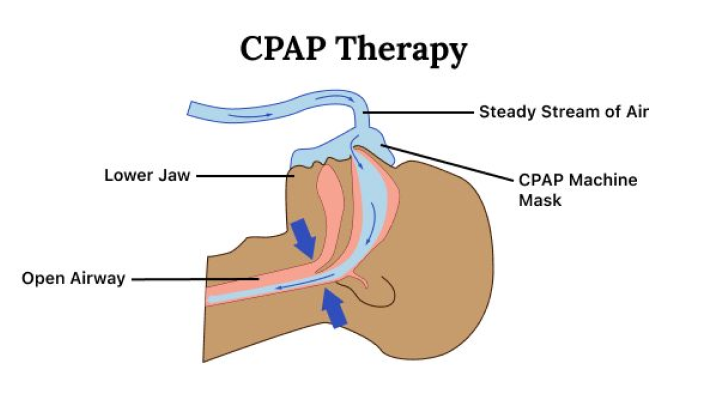
- Action: The mask creates a secure seal to deliver a continuous flow of pressurised air to keep your tongue, uvula and soft palate from shifting into your airway and keep your windpipe clear. This airflow keeps your airway open, preventing snoring and breathing pauses caused by sleep apnea so you can enjoy uninterrupted, restorative rest.
How it works:
A CPAP machine delivers a gentle flow of pressurised air through a mask worn during sleep. This airflow keeps your airway open, preventing snoring and breathing pauses caused by sleep apnea so you can enjoy uninterrupted, restorative rest.

Device Types:
Choose from different CPAP setups from lightweight travel-friendly devices to full-featured machines with various mask options, designed for comfort and lifestyle needs.
Maintenance and Support:
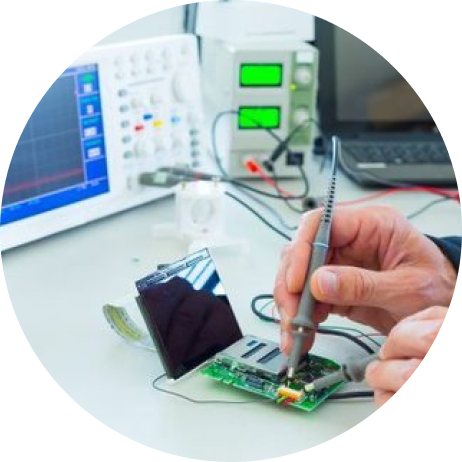
Our team provides ongoing guidance, regular device checks, and troubleshooting support to ensure your CPAP therapy stays effective long-term.

AirCurve 10
A bilevel device offering advanced comfort features for users who need varying pressure support. Ideal for those with more complex sleep apnea needs.
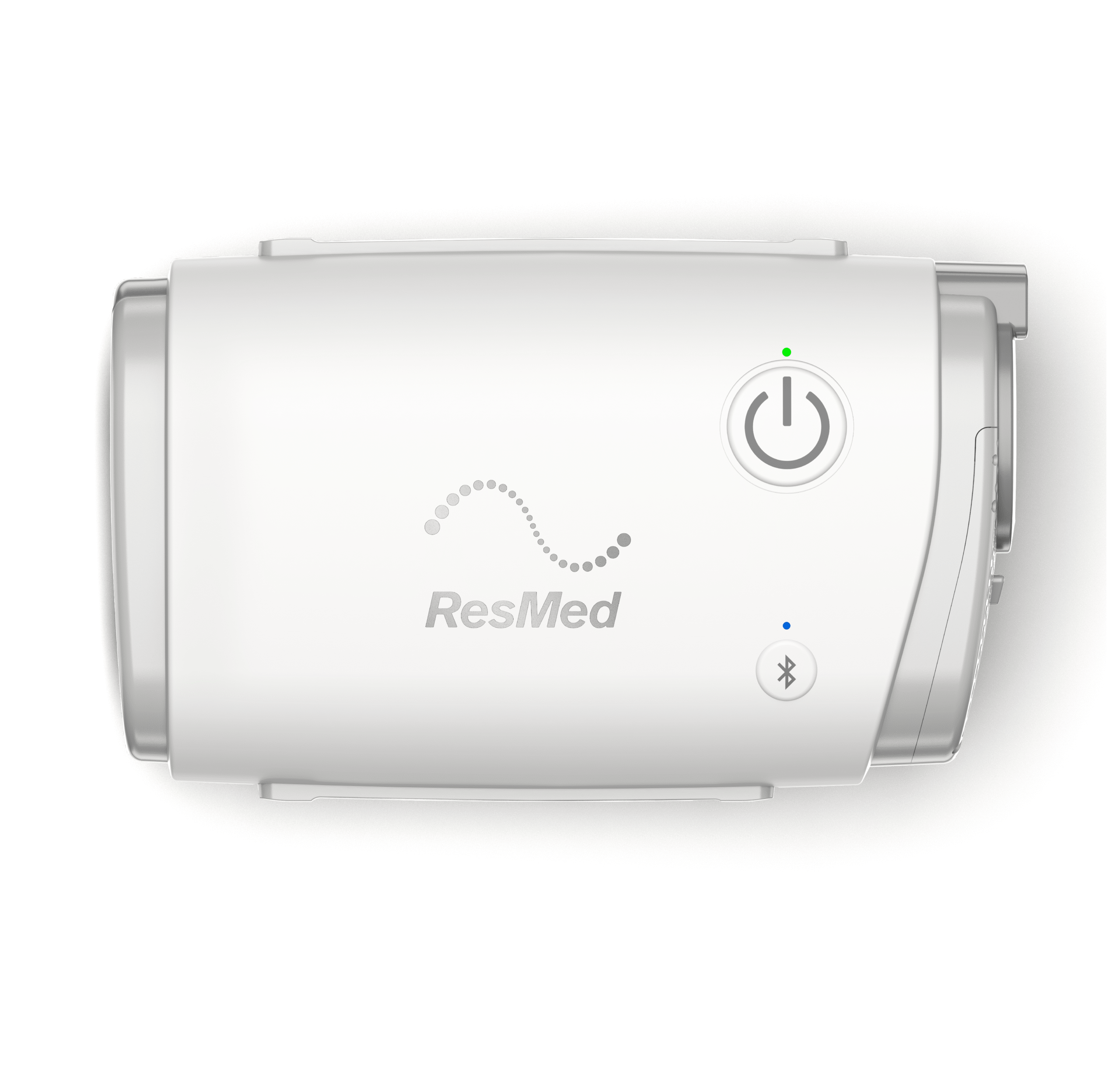
Air Mini
The smallest portable CPAP machine, perfect for frequent travelers. Compact yet powerful, offering waterless humidification options.
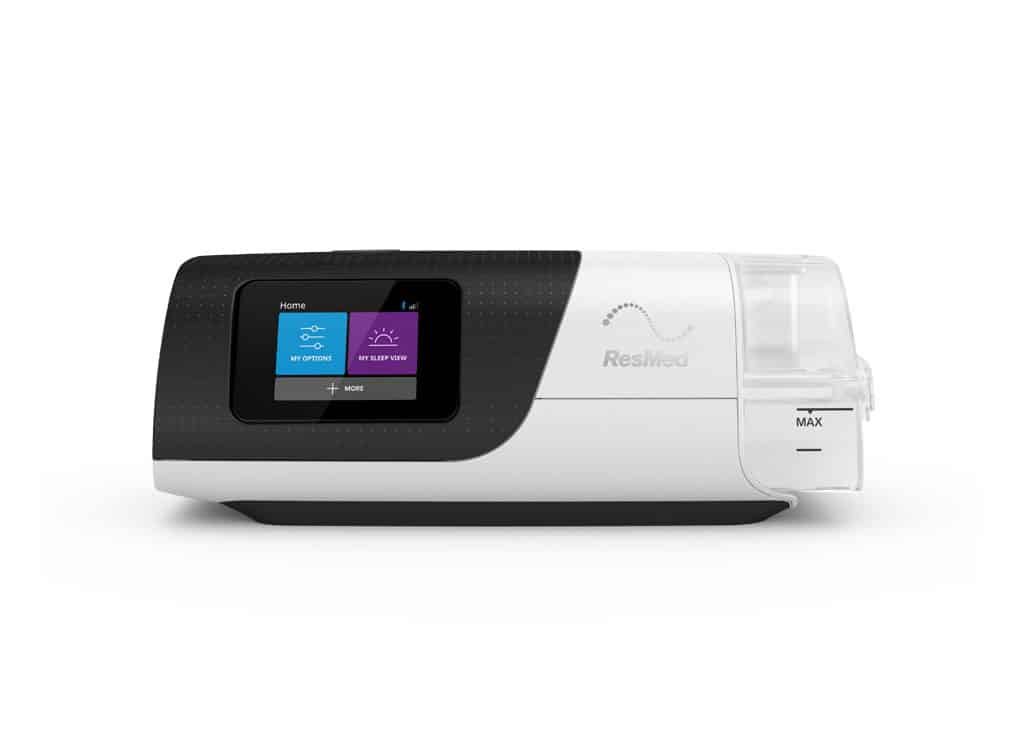
AirSense 11
A user-friendly, full-featured CPAP machine with built-in humidifier and advanced event detection, making therapy simple and effective.
Who Needs CPAP Therapy?
For patients in Singapore diagnosed with sleep disorders, CPAP therapy is one of the most recommended paths towards better sleep. You may be a candidate for a CPAP machine if you fall into the following categories:
- Moderate to Severe Obstructive Sleep Apnea (OSA): If your sleep study indicates a high frequency of breathing pauses, CPAP for sleep apnea is the gold-standard treatment to stabilise your breathing.
- High Apnea-Hypopnea Index (AHI): An AHI score represents the number of times your breathing stops per hour; patients with a high AHI require the constant pressure of a CPAP machine to maintain safe oxygen saturation.
- Unsuccessful Trials with Oral Appliances: If mandibular advancement devices or other oral inserts have failed to stop your snoring or airway collapse, CPAP might be an alternative to try.
- Chronic Fatigue Due to Bad Sleep: Patients struggling with exhaustion due to fragmented sleep can benefit from a CPAP machine to help sleep better.
Benefits of CPAP Therapy
CPAP therapy offers significant medical and lifestyle benefits for individuals with sleep apnea in Singapore. These include:
- Improved Oxygen Levels: The continuous airflow ensures your body receives adequate oxygen throughout the night. This prevents repeated drops in blood oxygen levels, reducing the strain on your heart and other organs.
- Reduced Snoring: The pressurised air keeps the airway open, eliminating the vibration of throat tissues that cause snoring. This not only benefits your sleep quality but also that of your partner.
- Better Sleep Quality: By preventing breathing pauses and the associated disruptions, a CPAP machine allows you to experience a deeper, more restorative sleep cycle. This combats daytime fatigue and improves overall energy levels.
- Lowered Health Risks: Consistent CPAP therapy can significantly reduce the risk of serious health complications. This includes lowering blood pressure and decreasing the risk of hypertension, heart disease and stroke that are often linked to untreated sleep apnea.
CPAP Machines Explained
A CPAP machine is made out of multiple parts.
- Motor: Draws in ambient air and uses a fan to compress it to a specific pressure setting.
- Air Filtration System: High-efficiency filters to remove dust, pollen and airborne particles.
- Digital Pressure Sensors: Monitors your breathing cycle for any airway resistance and adjusts the motor to provide the exact pressure needed.
- Humidifier: Most CPAP machines include a water chamber to add moisture to the airflow to prevent nasal dryness and throat irritation.
Types of CPAP Machines
When you begin CPAP for sleep apnea, you’ll be able to choose three different types of CPAP devices. These devices mainly differ in how they deliver air pressure:
|
Device |
Pressure Delivery |
Best For |
|
CPAP |
Delivers a single, constant pressure level throughout the night. |
Most common and effective for standard Obstructive Sleep Apnea (OSA). |
|
APAP |
Automatically adjusts pressure within a set range to meet your changing breathing needs. |
Ideal for individuals whose pressure needs vary throughout the night or when their sleeping position changes. |
|
BiPAP |
Delivers two distinct pressure levels: a higher one for inhalation (IPAP) and a lower one for exhalation (EPAP). |
Prescribed for more complex cases of sleep apnea or respiratory issues, as it makes breathing feel more natural and comfortable. |
Why Sleeping Lab’s Solutions Use CPAP Devices
At Sleeping Lab, our solutions utilise fixed-pressure CPAP therapy because it remains the clinical standard for the effective treatment of Obstructive Sleep Apnea. By delivering a single, calibrated pressure level, this approach provides the most stable and consistent airway support without the fluctuating motor speeds that some patients find disruptive to their sleep architecture.
Types of CPAP Masks
A CPA machine comes with different types of masks and accessories you can use to customise the experience. The most common accessory with the biggest difference to your CPAP therapy experience will be the mask that you wear.
- Full Face Mask: Covers both the nose and mouth. It is the best option for back sleepers because it remains stable even if the jaw drops open. It is also ideal for patients who breathe through their mouths or require higher pressure settings.
- Nasal Mask: Fits over the entire nose. This is a versatile choice for side sleepers as it offers a secure seal that is less likely to be dislodged by a pillow, providing a more natural airflow for those who find full face masks too bulky.
- Nasal Pillows: Features small silicone inserts that fit directly into the nostrils. This is the preferred choice for active sleepers who toss and turn, as well as those who wear glasses or feel claustrophobic, as it provides the most open field of vision.
How to Use a CPAP Machine
Using a CPAP machine is a straightforward process.
- Place the CPAP machine on a level surface near your bed and plug it in.
- Attach one end of the tubing to the machine and the other end to your mask
- Wear your mask and ensure that it is snug enough to create a seal, but not tight enough to cause discomfort
- Turn on your CPAP machine and ensure that the pressure settings are correct.
- Lay down in your preferred sleeping position and ensure the mask doesn’t leak when you move.
How to Maintain Your CPAP Machine
CPAP machines should be cleaned regularly to prevent any bacteria growth and to prevent skin irritation. These are some of the maintenance you need to do to keep your CPAP machine performing optimally.
- Daily: Empty the humidifier water chamber and let it air dry. Wipe the mask cushion with a damp cloth or specialised mask wipe to remove skin oils.
- Weekly: Soak the mask, tubing, and water chamber in warm, soapy water (using mild dish soap). Rinse thoroughly and hang the tube over a door or towel rack to dry.
- Monthly: Check the air filter at the back of the machine. If it appears grey or dusty, replace it with a fresh one to keep the motor running efficiently.
Getting Used to CPAP Therapy
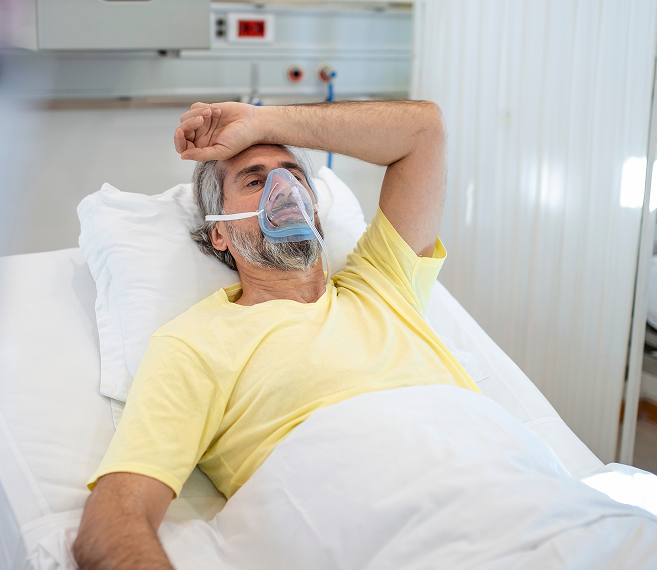
When you first start CPAP therapy in Singapore, you may encounter some common challenges when using a CPAP machine.
- Mask Discomfort: your mask doesn’t fit properly, it may cause discomfort or leaks. Try different mask types (e.g., nasal pillows, full-face masks) to find one that suits you best.
- Dry Mouth or Nasal Congestion: If you experience dryness, using a heated humidifier with your CPAP machine can help prevent this issue. Also, consider adjusting the pressure settings or using a full-face mask if nasal congestion is a problem.
- Claustrophobia: Some people may feel anxious or claustrophobic when wearing a mask. It can help to start by wearing the mask for short periods during the day to get accustomed to it. You can also try a smaller, more minimal mask style to reduce the feeling of confinement.
- CPAP Noise: Modern CPAP machines are designed to be very quiet. However, if the sound is still disturbing, make sure the machine is placed on a stable surface, away from walls or objects that might amplify noise.
Buying a CPAP Machine in Singapore
If you are looking to buy a CPAP machine in Singapore, it is important to consult with a professional or sleep specialist. Because every individual’s respiratory needs and facial anatomy are unique, professional guidance is essential to ensure the device is configured safely and effectively.
What to Consider When Purchasing a CPAP Machine in Singapore
These are some of the factors you need to consider when you buy a CPAP machine in Singapore:
- Valid Prescription: In Singapore, a CPAP machine is a medical device that requires a prescription from a doctor or sleep specialist. This ensures that the therapy is appropriate for your specific diagnosis and prevents the risks associated with incorrect pressure settings.
- Professional Mask Fitting: A mask that leaks or causes discomfort is a key reason patients stop therapy. A professional fitting involves trying different styles (Nasal, Full Face, or Pillows) while lying down to ensure a secure seal that matches your sleeping position.
- Fixed vs. Auto Pressure Settings: You should decide between a fixed-pressure machine and an Auto-CPAP (APAP). A specialist will help you understand which is better for your CPAP therapy needs.
- HSA Approval & Warranty: Ensure the CPAP machine is approved by Singapore’s Health Sciences Authority (HSA). Only buy from an authorised dealer with local warranty and access to genuine replacement parts and filters.
CPAP Therapy Support and Follow-Up
Effective CPAP therapy is best conducted with clinical support so the therapy remains effective even as your needs change. Look for a provider in Singapore with specialists to fine-tune your equipment settings based on data. This is what you can expect from your support team:
- Remote Data Monitoring: Modern CPAP machines track your sleep patterns daily. Your provider can review these reports to monitor your progress and identify any irregularities without you needing to visit the clinic.
- AHI Tracking and Analysis: The Apnea-Hypopnea Index (AHI) measures how many breathing pauses you experience per hour. Continuous tracking ensures that CPAP for sleep apnea is successfully keeping your AHI within a healthy, low range.
- Clinical Pressure Adjustments: If your data shows frequent events or if you experience discomfort, specialists can remotely or manually adjust the pressure settings on your CPAP machine to better suit your respiratory needs.
- Troubleshooting Mask Leaks: Over time, mask cushions can wear out or headgear can stretch. Regular check-ins help identify leaks that might compromise your results, allowing for timely adjustments or replacements.
- Help with Acclimatisation: For new users, the first few weeks are a transition period. Support teams provide guidance on breathing techniques and humidity settings to help you become fully comfortable with your device.
Are There Any Side Effects to CPAP?
While CPAP therapy is highly effective, it is common to experience a period of adjustment. Most side effects are minor and can be easily managed by adjusting your equipment settings or choosing a more suitable mask.
- Skin Irritation or Red Marks: This often occurs if the mask is too tight or if the cushion is worn out. To solve this, adjust the straps for a snug but gentle fit. Using mask liners or switching to a mask with a memory foam cushion can also protect sensitive skin.
- Bloating or Gas (Aerophagia): This happens when air is accidentally swallowed rather than breathed into the lungs, often due to pressure settings being too high. Consult your specialist to adjust your pressure or enable the “Ramp” and “Expiratory Pressure Relief” (EPR) features.
- Nasal Congestion: Some users feel “stuffy” when they first start CPAP for sleep apnea, or find that the CPAP machine is not as “clear” as it used to be. To remedy this, ensure your air filters are clean and increase the humidity level. If congestion persists, a different mask style may be needed.
Common CPAP Challenges and Solutions
- Mask Discomfort: your mask doesn’t fit properly, it may cause discomfort or leaks. Try different mask types (e.g., nasal pillows, full-face masks) to find one that s If uits you best.
- Dry Mouth or Nasal Congestion: If you experience dryness, using a heated humidifier with your CPAP machine can help prevent this issue. Also, consider adjusting the pressure settings or using a full-face mask if nasal congestion is a problem.
- Claustrophobia: Some people may feel anxious or claustrophobic when wearing a mask. It can help to start by wearing the mask for short periods during the day to get accustomed to it. You can also try a smaller, more minimal mask style to reduce the feeling of confinement.
- CPAP Noise: Modern CPAP machines are designed to be very quiet. However, if the sound is still disturbing, make sure the machine is placed on a stable surface, away from walls or objects that might amplify noise.
Frequently Asked Questions About CPAP for Sleep Apnea
CPAP therapy provides a continuous stream of pressurised air that acts as a physical support to keep your upper airway from collapsing during sleep. By maintaining this open passage, CPAP for sleep apnea ensures proper breathing and an uninterrupted sleep.
The "4-hour rule" is a clinical standard used to define "compliant" use, meaning a patient must use their CPAP machine for at least four hours a night for 70% of the month. Achieving this minimum duration is statistically linked to beneficial results from the treatment.
CPAP therapy can help your body get deeper, restorative sleep more often. You may have lower blood pressure and improved glucose metabolism. Some also experience less “brain fog” and feel more energetic throughout the day.
Modern sensors inside a CPAP machine can monitor your airflow rate and pressure resistance hundreds of times per second. By analysing these breathing patterns, the device can distinguish between normal breaths and the "flat" airflow signal of an apnea event, allowing it to adjust pressure instantly.
The CPAP machine improves sleep by eliminating the micro-arousals caused by gasping or choking, allowing you to move through all four stages of sleep without interruption. This ensures that you spend more time in deep sleep, which is critical for physical repair and cognitive function.
Consistent CPAP therapy for sleep apnea can reduce the long-term risk of stroke, heart failure, and Type 2 diabetes by maintaining stable oxygen levels throughout the night. Patients also find that they are more alert in the day, are able to concentrate better, and it even eliminates snoring so partners can benefit from a quieter sleeping environment.