
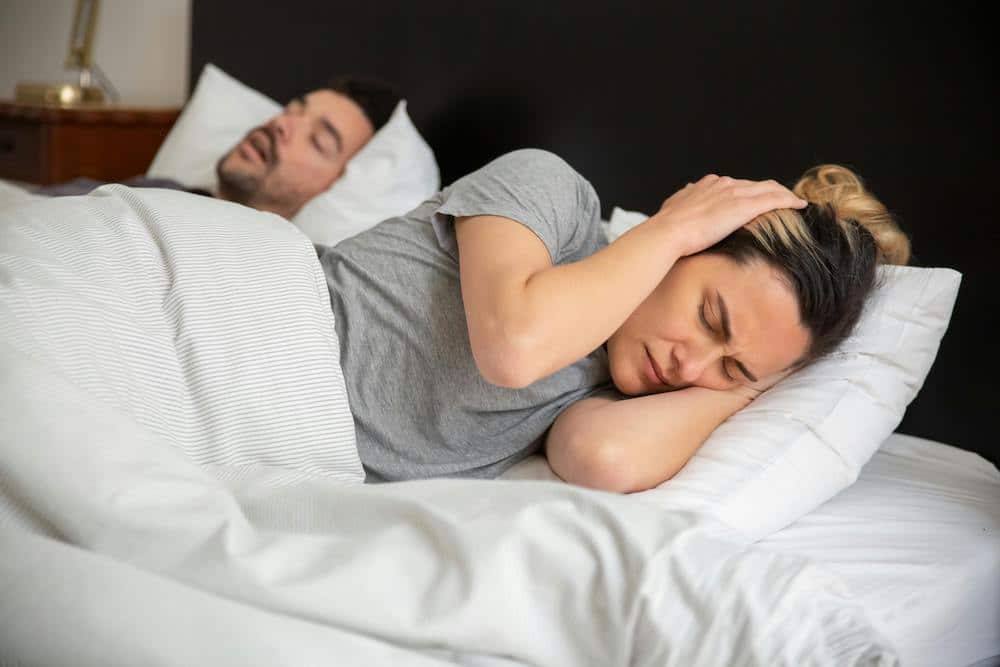
There are few things more frustrating than lying awake when your body is exhausted, but your mind simply will not switch off.
While the occasional sleepless night isn’t cause for concern, it can take a serious toll on your long-term health if you consistently can’t sleep at night. Chronic difficulty sleeping raises your risk of conditions, such as heart disease, dementia, and type 2 diabetes.
The good news is that there are practical steps you can take to improve your sleep. In this guide, we’ll explore how to fall asleep faster and more easily, enabling you to take better care of your sleep health.
1. Optimise Your Sleep Environment
Your surroundings affect how quickly you fall asleep as well as the quality of your rest. These environmental challenges are especially common for people in Singapore:
- Hot and humid conditions: Tropical heat can make it difficult for your body to cool down enough to initiate sleep naturally.
- Light and noise pollution: Dense city living means streetlights and urban noise can regularly disturb your sleep at night.
- Sharing a room: A partner’s movements or snoring can repeatedly pull you out of sleep before you have fully settled.
A few targeted adjustments can make all the difference in helping you fall asleep faster. Here’s how to go about it:
- Cool your room to between 15 and 20°C: Lower temperatures help trigger your body’s natural transition into sleep mode more effectively.
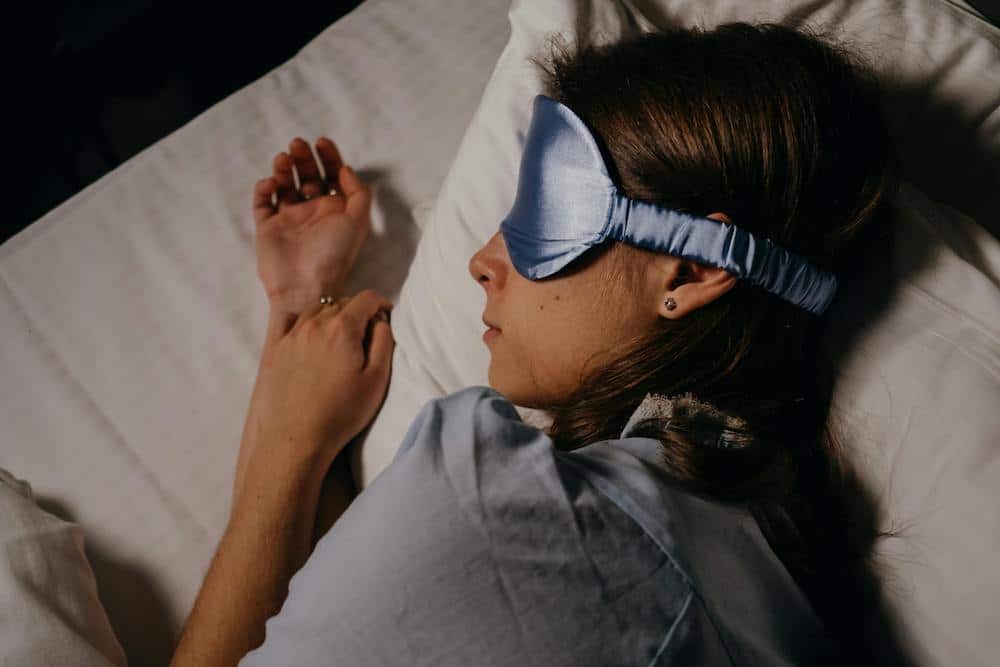
- Use blackout curtains or an eye mask: These block out ambient light and protect your melatonin levels throughout the night.
- Try earplugs or a white noise machine: Both options can effectively muffle disruptive ambient noises, such as traffic and neighbour movements, while you sleep.
2. Practise Breathing Techniques to Fall Asleep
Calming your breathing is one of the most effective ways to make yourself sleepy. Here is how to use it to your advantage:
- Try the 4-7-8 Breathing Technique: Inhale for 4 counts, hold for 7, and exhale for 8 to slow your heart rate and reduce stress.
- Use mental visualisation: Stress and sleep can exacerbate each other, making it difficult for you to wind down. Try replacing anxious thoughts with a peaceful image, such as a still lake, to quieten your mind before bed.
- Practice progressive muscle relaxation: Slowly tensing and releasing each muscle group from toe to head encourages your body to unwind fully.
3. Review Your Digital and Daytime Habits
From your mid-day coffee to the frequency with which you reach for your phone, your daytime habits have a direct bearing on how easily you fall asleep at night.
Try these habits to facilitate better sleep:
- Avoid Blue Light Before Bed: Stimulating content delays sleep onset, while blue light suppresses melatonin production, making it hard to fall asleep. As such, refrain from screen use at least 30 to 60 minutes before bed.
- Observe a Caffeine Curfew: Caffeine can remain in your bloodstream for up to 10 hours, keeping you alert. Therefore, set a cut-off at least six hours before bed to keep it from disrupting your ability to fall asleep.
- Maintain a Consistent Sleep Schedule: Go to bed and wake at the same time daily, even on weekends, to reinforce your body’s natural sleep-wake rhythm over time.
Sleep Better with The Sleeping Lab
Good sleep rarely happens by accident. However, given its effects on physical health and wellness, it is something worth building intentional habits around.
While the habits above are a meaningful place to start, if you find that you still can’t fall or stay asleep at night, it may point to something deeper.
Furthermore, if the sleeplessness is accompanied by loud snoring, gasping, or waking up feeling unrefreshed, you may have an underlying condition like Obstructive Sleep Apnea (OSA), which usually requires a CPAP machine to treat moderate to severe cases. If left untreated, OSA can have a long-term impact on your cardiovascular health.
So, take a proactive step toward understanding your sleep health today. Consult a sleep specialist in Singapore and start reclaiming restful nights again!