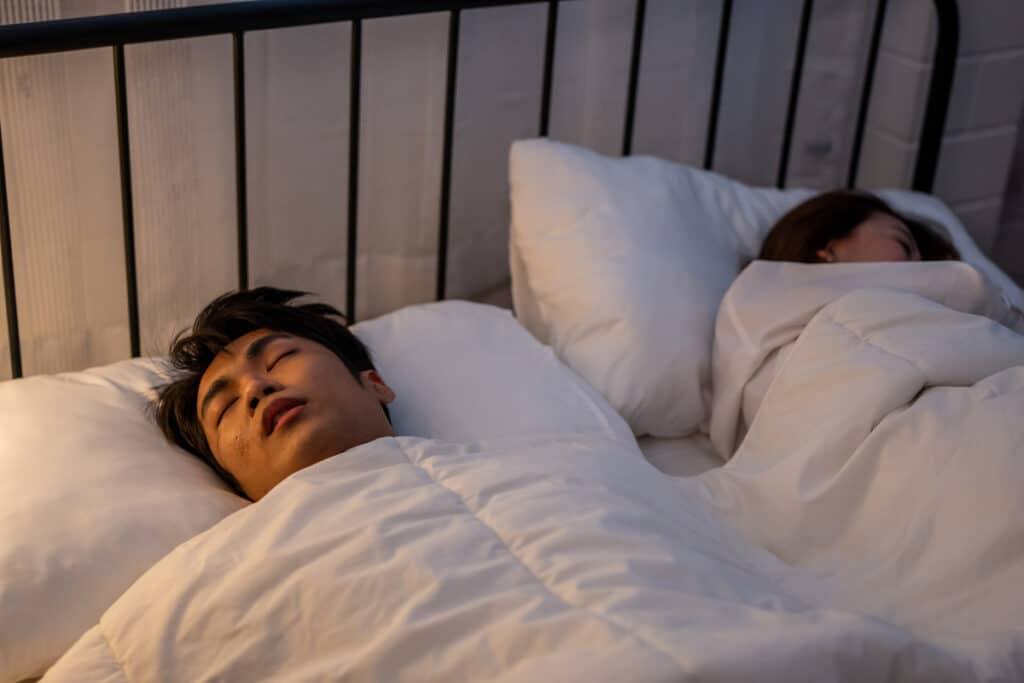
Most of us have a “go-to” position to fall asleep. Whether you curl up like a ball or lie flat as a board, that choice is usually about what feels most comfortable. However, if you notice yourself consistently snoring or having inconsistent breathing while asleep, your sleep position could be making your snoring worse or causing sleep apnea events, especially if you have positional Obstructive Sleep Apnea (OSA).
In this guide, we will break down some of the most common sleeping positions and how they affect your night time breathing, as well as explore which are the best and worst positions to sleep with sleep apnea.
How Your Sleep Position Affects Your Breathing
Your sleep position can affect your ability to breathe throughout the night. If you have sleep apnea, paying attention to this is important as it can affect how obstructed your airways become while asleep.
- Side Sleeping (Lateral): This is generally considered the most effective sleep position for respiratory health because it prevents your tongue from falling backward. By staying on your side, gravity pulls throat tissues toward the cheek, keeping the airway open and significantly reducing the vibrations that cause snoring
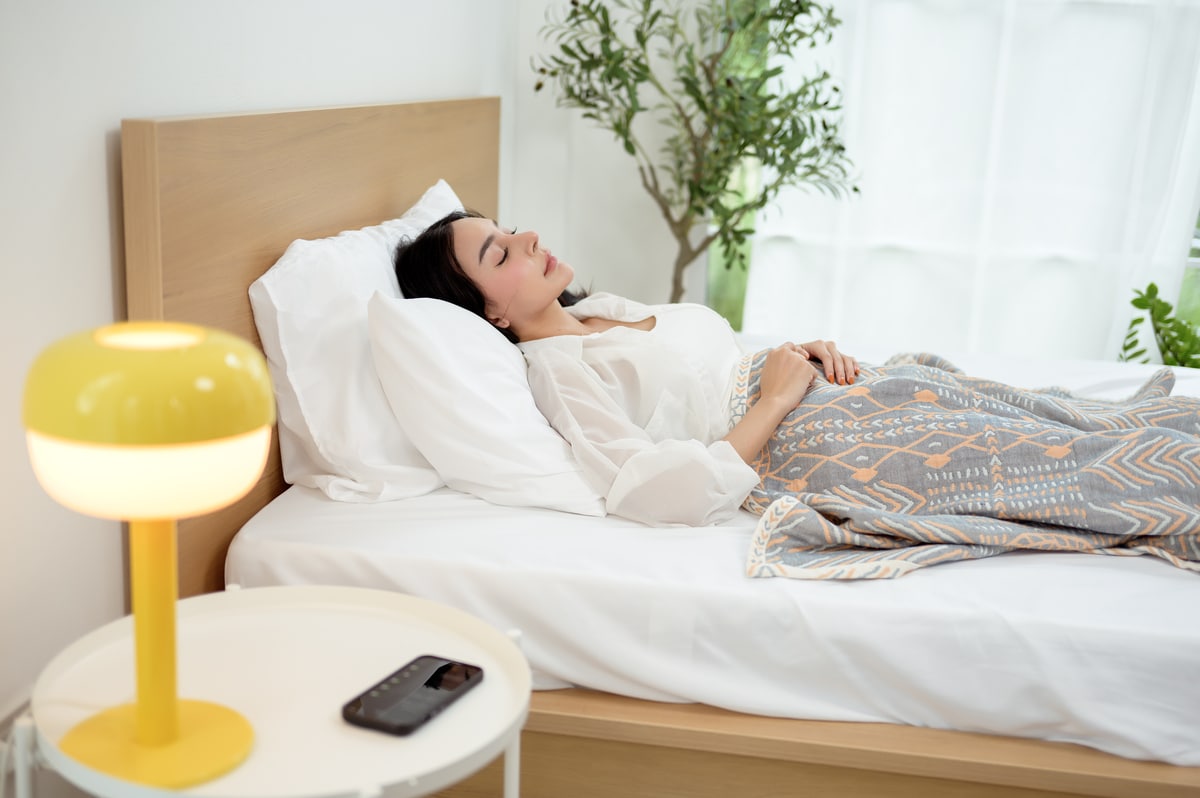
- Back Sleeping (Supine): Lying on your back is typically the most problematic pose for breathing, as it allows the tongue and soft palate to collapse directly toward the throat. This creates a narrow passage that increases the risk of partial or total blockages, leading to the gasping breaths common in sleep apnea.
- Stomach Sleeping (Prone): While gravity pulls the tongue forward in this position to keep the airway clear, it may cause other issues such as strained neck muscles or shallow breathing, as sleeping face-down means turning your head at a sharp angle and putting pressure on your chest.
- Fetal Position: This curled-up variation of side-sleeping can be helpful for lower back pain, but it may compromise your breathing if the posture is too tight. Tucking your chin toward your chest can compress the upper airway and lead to shallow, inefficient breathing throughout the night.
What is the Worst Position to Sleep with Sleep Apnea?
The worst position to sleep with sleep apnea is typically the supine, or back-sleeping, position.
When you lie flat on your back, gravity causes your tongue and the soft tissues at the back of the throat naturally slide backward toward the spine. In people with Obstructive Sleep Apnea (OSA), this movement narrows or completely blocks the airway, leading to gasping or long pauses in breathing.
This is so common that doctors often refer to a specific subset of the condition called “Positional OSA.” For these individuals, breathing interruptions occur primarily (or even exclusively) while they are on their backs.
In these cases, changing the sleep position to stay off the back can drastically reduce the number of times they stop breathing during the night.
What is the Best Position to Sleep if You Have Sleep Apnea
The best position to sleep if you have sleep apnea is typically agreed to be the lateral, or side-sleeping, position. By staying on your side, you allow gravity to pull the tissues to the side rather than back into the throat, keeping your airway open.
However, not everyone finds side-sleeping easy or comfortable. If you find yourself rolling onto your back or if you have shoulder issues that make side-sleeping difficult, try “Inclined Sleeping”. This involves using a firm wedge pillow to elevate your head and upper body by 30 to 45 degrees.
By sleeping at an angle, you change the direction of gravity’s pull; instead of your tongue and soft tissues sliding straight back into your throat, the incline helps keep them positioned forward to maintain a clearer airway.
How to Change Your Sleep Position with Positional Therapy
If you have spent decades as a back-sleeper, it’s tough to change your sleep position and sleeping habits overnight. Positional therapy involves using physical cues to train your body to stay on its side.
- The Tennis Ball Technique: This involves sewing a tennis ball into a small pocket on the back of a pajama shirt to make it uncomfortable to roll onto your back. Your body will naturally seek the comfort of your side without intentionally waking up.
- Wedge Pillows: A wedge pillow works by elevating your upper body at a 30 to 45-degree angle to counteract the effect of gravity so that your tongue and soft tissues are less likely to fall backward and block your airway, even if you sleep on your back.
- Side-Sleeping Pillows: These are specially contoured pillows that support the neck and head in a way that makes rolling onto your back feel “unnatural” or less stable.
- Body Pillows: Placing a long body pillow in front of you or behind your back provides a physical barrier that encourages you to keep your torso in a lateral position throughout the night.
What Happens If You Still Have Apnea After Changing Your Sleeping Position
Adjusting your sleep position is one of the most powerful, holistic tools you have for managing sleep apnea, it may not work for moderate to severe cases. If the airway is narrow enough, apneas will occur regardless of whether you are on your side or your back.
You should seek the help of a sleep specialist if you notice persistent sleep apnea symptoms like:
- Waking up gasping or choking for air.
- Frequent morning headaches.
- Heavy fatigue during the day, even after a “full” night of sleep.
An overnight home sleep test is a convenient, data-driven way to check whether your sleep apnea events are triggered by your sleep position and whether you may need treatment like CPAP. Sleep data allows a specialist to see exactly how your breathing changes throughout the night, and recommend the best course of action.
Are you unsure if your sleep position is to blame for your tiredness? At Sleeping Lab, we help you move beyond guesswork. If you suspect your sleeping position is affecting your health, contact us for a consultation. We invite you to book an overnight home sleep test to accurately measure your night time breathing and find a long-term solution for better rest.
Find out what else affects your sleep and sleep apnea with our other articles:
- Can Sleep Apnea Cause High Blood Pressure?
- The Relationship Between Stress and Sleep