Obstructive Sleep Apnea (OSA) – Causes, Symptoms & Treatment
Persistent morning fatigue or loud snoring may be more than a bad night. Obstructive Sleep Apnea occurs when the airway becomes physically blocked during sleep, which interrupts how much oxygen you take in. Recognising these symptoms allows for early intervention, helping you regain restful nights and improved daytime focus.
What is Obstructive Sleep Apnea (OSA)?
Do you often wake up feeling tired even after a full night’s sleep? This could be a sign of Obstructive Sleep Apnea (OSA), a serious sleep disorder where your breathing repeatedly stops and starts during the night.Â
Â
In Singapore, moderate-to-severe OSA affects roughly 30% of residents, yet over 90% of those affected remain undiagnosed.
Â
The good news is that there are solutions available to improve the condition. By accessing sleep apnea and recommending the appropriate treatment, you can reduce your symptoms and support your long-term health.
Â
Obstructive Sleep Apnea is a common sleep-related breathing disorder where the muscles in your throat relax too much during sleep. This causes a partial or complete blockage of your upper airway, leading to repeated pauses in your breathing. Unlike central sleep apnea, where the brain fails to send the right signals to breathing muscles, OSA is a physical obstruction.Â
Frequent breathing interruptions can impair daytime functions and are linked to an increased risk of cognitive impairment. Professional assessment helps identify the underlying causes, ensuring a path to restorative rest.
Signs and Symptoms of Obstructive Sleep Apnea
The signs and symptoms of Obstructive Sleep Apnea often go unnoticed because they happen while you are asleep. Being aware of the following indicators can help you determine if your sleep quality is affected by a physical airway obstruction:
Â
- Loud snoring: Narrowed airways cause the surrounding soft tissues to vibrate, resulting in persistent and disruptive snoring.
- Gasping or choking: You may wake up with a sudden gasping or choking sensation as your body reacts to the lack of oxygen during an apnea or breathing pause.Â
- Pauses in breathing: You might have periods where breathing stops completely for ten seconds or more throughout the night, often followed by a snort or sudden movement as the brain restarts the breathing cycle.
- Dry mouth: Waking with a dry mouth or sore throat can be a result of breathing through your mouth due to an obstruction.
- Daytime sleepiness: Poor sleep quality leads to excessive daytime sleepiness and fatigue. Frequent interruptions can impact your concentration and energy levels.
- Morning headaches: Waking with a dull, throbbing headache can be a result of low blood oxygen levels or high carbon dioxide levels accumulated overnight due to restricted airflow.
- Dry mouth: Waking with a dry mouth or sore throat can happen if you were breathing through your mouth from a blocked airway.
- Irritability: The ongoing lack of restorative sleep can negatively affect your mood, causing increased irritability and mood swings.
Signs of Obstructive Sleep Apnea can manifest differently across various demographics. Women with the condition may be more likely to experience insomnia, restless legs, depression, nightmares, and heart palpitations. Similarly, the elderly population may be under-diagnosed or misdiagnosed as fatigue or fragmented sleep are often incorrectly attributed to age-related changes in circadian rhythms.
Common Causes of Obstructive Sleep Apnea
Various factors contribute to the condition. Here are some of the most common obstructive sleep apnea causes:
Anatomical Factors
Physical structures within the head and neck can significantly influence airway stability. Common anatomical causes include:
- Enlarged tonsils and adenoids: Excessive tissue in the throat can physically crowd the airway. During sleep, these structures may narrow the passage, leading to frequent interruptions in breathing.
- Small jaw (Micrognathia): A smaller lower jaw or a jaw positioned further back can cause the tongue to sit closer to the throat. Such a position increases the likelihood of the tongue blocking the airway during rest.
- Airway shape: Individual variations in the structure of the upper airway, such as a naturally narrow throat or a low-hanging soft palate, can predispose someone to airway collapse.
- Nasal issues: Upper airway or facial abnormalities, such as a deviated septum, can potentially exacerbate existing symptoms of sleep apnea.
- Neck anatomy: A larger neck circumference (over 40cm) may indicate a narrower airway pose higher risk of developing Obstructive Sleep Apnea and other cardiovascular complications.
Lifestyle & Risk Factors
Certain lifestyle choices and biological factors also contribute to the development of sleep apnea:
- Weight: Excess tissue, especially around the neck, can narrow and compress the airway. Individuals with a a BMI exceeding 30 tend to be at higher risk as the added weight makes the airway more prone to collapse during sleep.
- Alcohol consumption: Alcohol acts as a muscle relaxant, causing the throat muscles to relax excessively. Such relaxation can lead to airway collapse and worsen existing symptoms.
- Smoking: Tobacco use increases inflammation and fluid retention in the upper airway, which may restrict airflow.
- Age: Changes in your body as you age, such as shallower breathing and weaker pharyngeal muscles, can make your airways more susceptible to closing during sleep.
- Family history and Genetics: Being male or having a family history of Obstructive Sleep Apnea significantly increases the likelihood of developing the condition.
Health Risks Linked to Untreated OSA
Untreated sleep apnea can pose a significant risk to your long-term health. The repeated drops in blood oxygen levels can lead to serious health complications, including high blood pressure, heart issues, stroke, and diabetes.

Cardiovascular Risks
Frequent oxygen drops and sudden awakenings place substantial stress on the heart and blood vessels. Repetitive fluctuations in blood pressure and heart rate during sleep increase the likelihood of developing hypertension, irregular heartbeats, and heart disease.
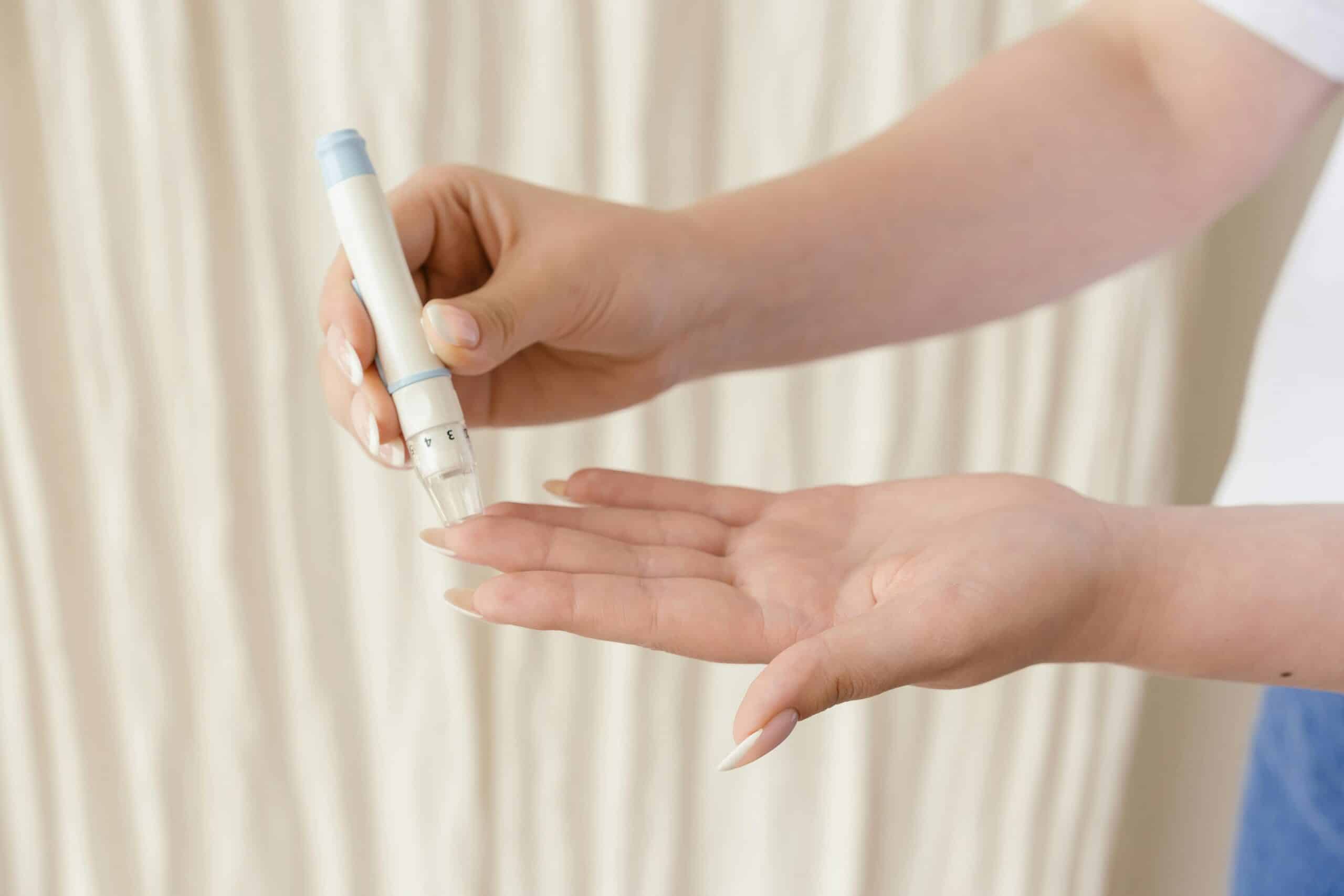
Metabolic Impact
Airway obstructions interfere with the body's ability to regulate glucose effectively. Research suggests that the physiological stress of disrupted breathing is linked to insulin resistance, raising the risk of developing type 2 diabetes.
Cognitive Issues
Interrupted sleep cycles prevent the brain from reaching deep, restorative stages. Chronic oxygen deprivation can lead to impaired concentration, memory lapses, and an increased long-term risk of neurodegenerative conditions.

When to Seek Specialist Help
If you are experiencing any of the following symptoms, seeking a professional consultation at a sleep clinic in Singapore is a practical step toward an accurate diagnosis and effective treatment:
Â
- Observing frequent breathing pauses during sleep
- Experiencing excessive drowsiness or falling asleep while driving
- Managing persistent high blood pressure that is difficult to control
How OSA Is Diagnosed
Here’s how we make the process of getting a clear diagnosis simple for you at The Sleeping Lab:

Consultation
We begin with a detailed consultation to discuss your symptoms and medical history.
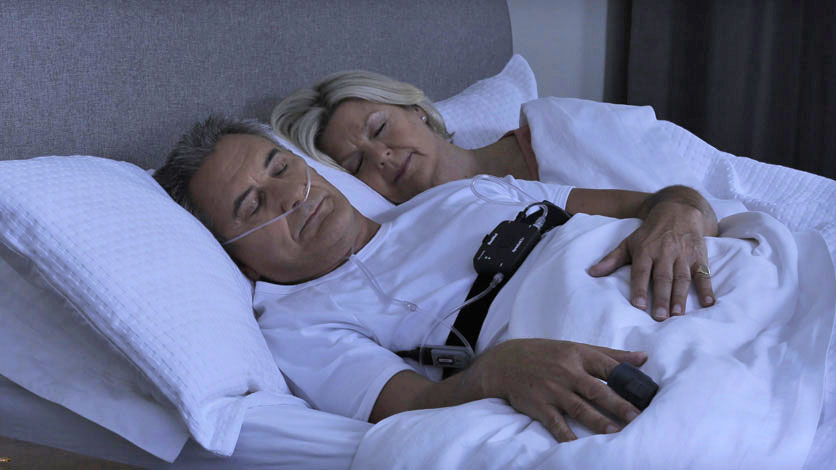
Sleep apnea test
We conduct an overnight polysomnography to monitor your breathing, oxygen levels, and other vital signs.

Personalised treatment
Our specialists analyse the results to develop a tailored treatment plan just for you.
Obstructive Sleep Apnea Treatment
There are various options for treating sleep apnea that can be tailored to your specific needs, depending on the severity of your condition.

Lifestyle Changes
In some cases, lifestyle changes may manage sleep apnea. Maintaining a healthy weight can reduce excess tissue that narrows the airway, while side-sleeping prevents the tongue from obstructing the passage. Reducing alcohol intake is also helpful, as alcohol relaxes throat muscles, making airway collapse more likely during rest.
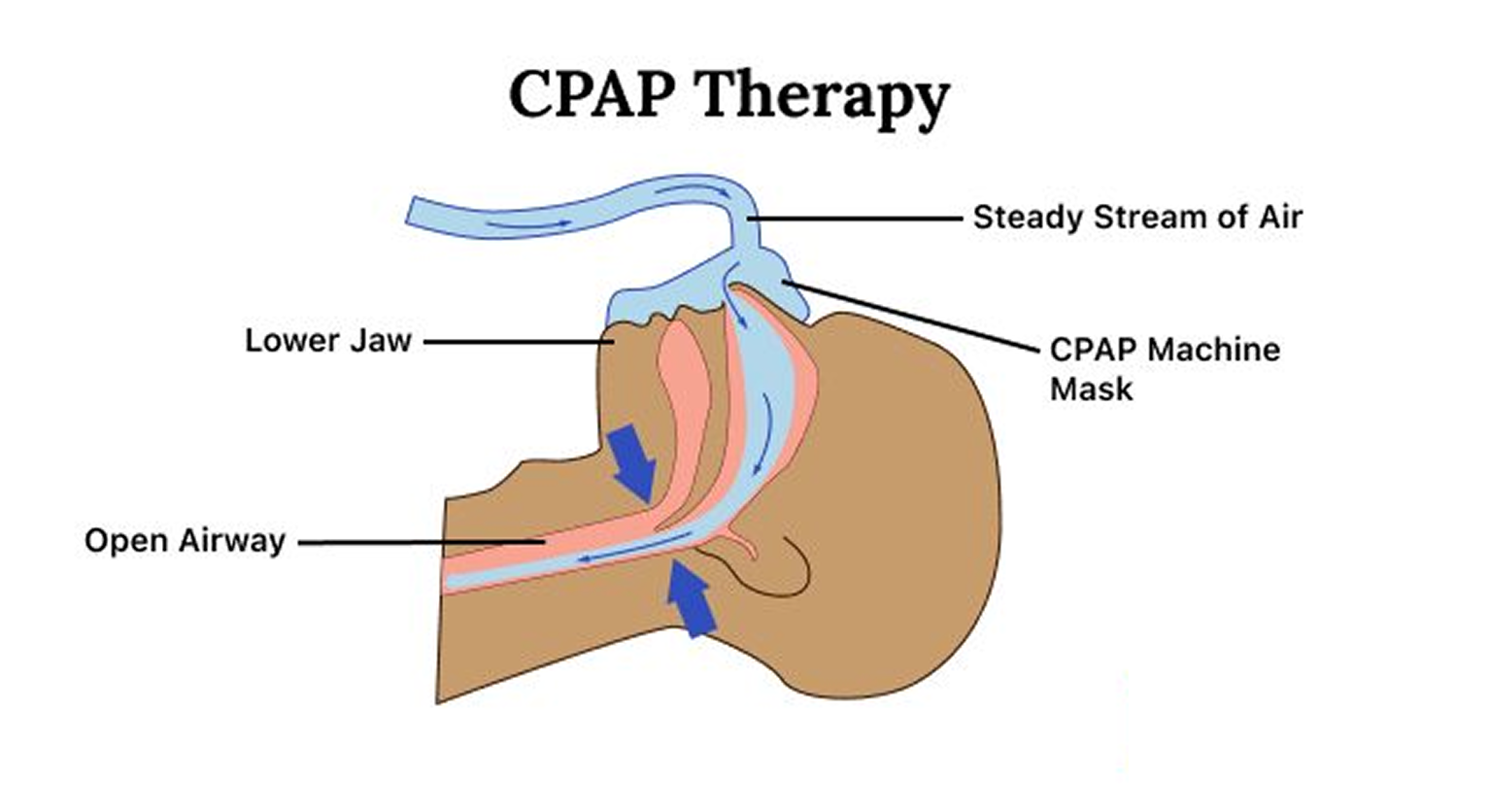
Continuous Positive Airway Pressure (CPAP) Therapy
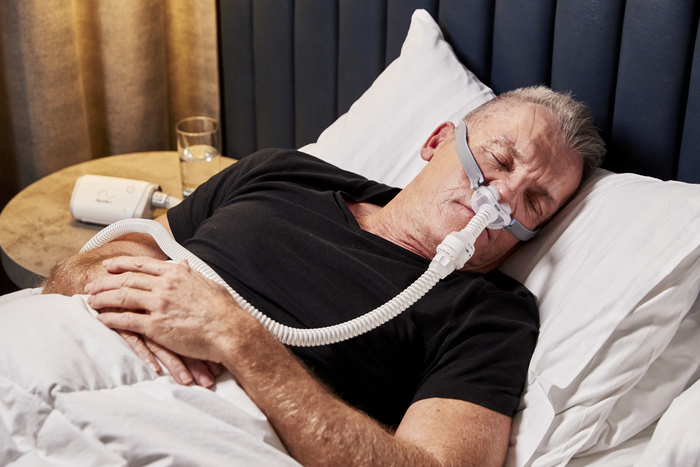
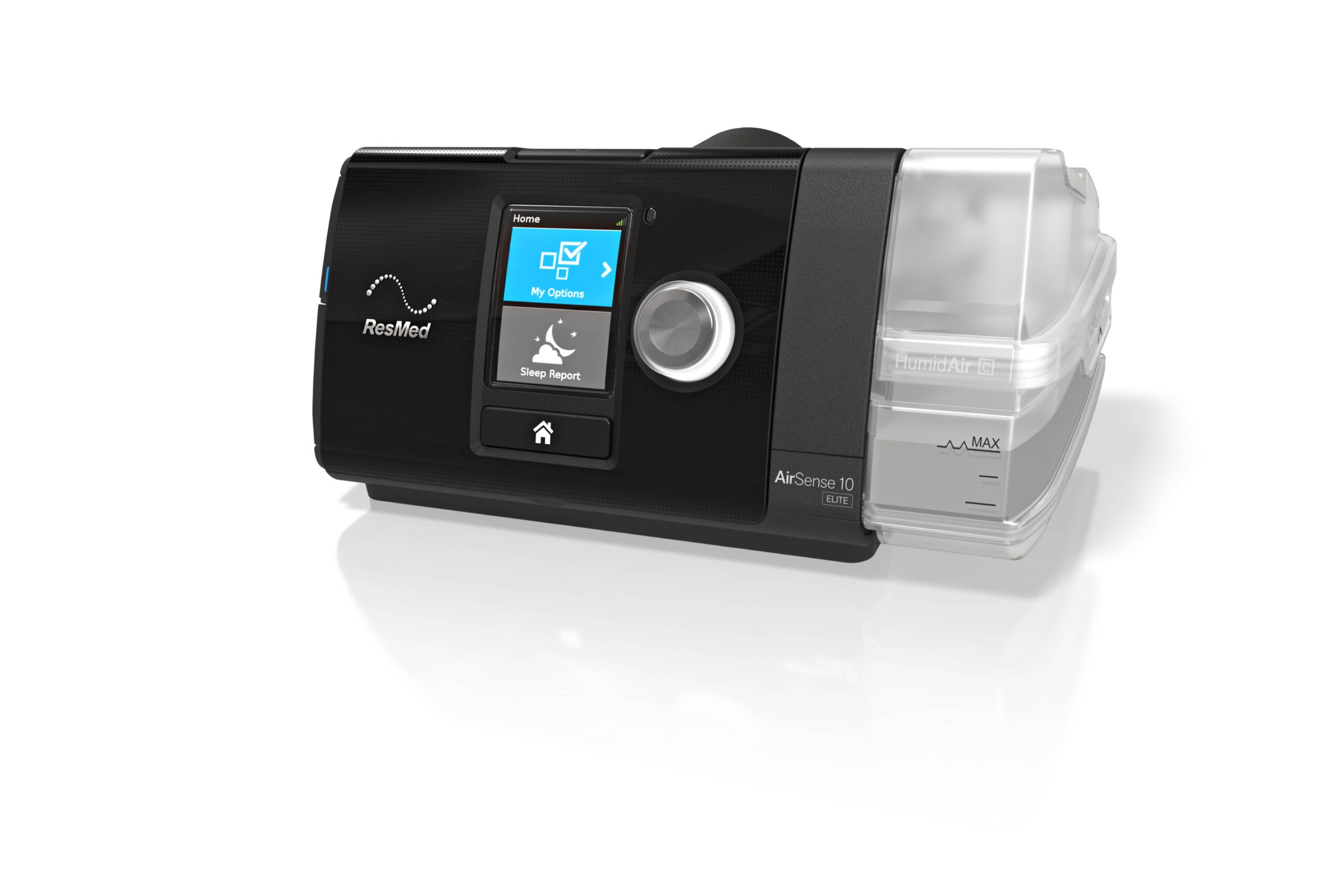
CPAP therapyis a common solution for Obstructive Sleep Apnea, and is the first-line treatment for Obstructive Sleep Apnea at Sleeping Lab. The device provides a constant stream of air through a mask, acting as a pneumatic splint to keep the airway open. Professional consultation is necessary to ensure the correct pressure settings and mask fit for effective, long-term management of your symptoms.
Oral Appliances & Snoring Devices
For mild to moderate cases, oral appliances such as mandibular advancement devices (MADs) may be suitable. These custom-fitted dental devices reposition the lower jaw and tongue to prevent airway obstruction during sleep. Such devices are designed to reduce snoring and alleviate apnea events by physically maintaining an open passage.
Surgery & Advanced Therapies
Surgical intervention may be considered to alter the airway structure for individuals with severe cases where other treatments are unsuitable. Clinical procedures such as Uvulopalatopharyngoplasty (UPPP), tissue removal, or implants can create more space. Advanced options like hypoglossal nerve stimulation involve an implanted device that stimulates airway muscles to remain open during sleep. Our specialists can provide professional consultation and diagnostic assessments to determine if a referral for such advanced options is appropriate for your condition.

Home Sleep Test in Singapore
A home sleep apnea test offers a simple process to diagnose Obstructive Sleep Apnea by assessing sleep quality and breathing patterns within your own environment. Using professional-grade equipment, this assessment provides the data required for an accurate diagnosis and subsequent treatment.
Â
The assessment typically requires only one night and is conducted in the comfort of your own bedroom. Testing in a familiar environment ensures that recorded data reflects your typical sleep patterns and conditions in Singapore.
Â
What to expect
- Equipment Briefing: A sleep specialist provides clear instructions on how to use the portable diagnostic device, which typically includes a small monitor, a pulse oximeter, and a nasal cannula.
- Simple Setup: Sensors are applied before bed to record oxygen levels, heart rate, airflow, and breathing effort throughout the night.
- Uninterrupted Rest: Lightweight equipment design allows for natural movement, minimising disruptions to your usual sleep routine.
- Data Retrieval: Return your test equipment the following day so that our sleep specisists may extract your sleep data for a professional analysis.
- Specialist Review: We will review your results in a follow-up consultation to discuss the findings and identify the underlying causes of any breathing interruptions.
Why Choose Sleeping Lab for OSA Diagnosis and Treatment
Choosing Sleeping Lab for your Obstructive Sleep Apnea diagnosis and treatment means choosing a path to better sleep health and well-being. Our sleep clinic in Singapore provides an evidence-based approach to managing airway health:
- Professional Expertise: Our team of sleep specialists possesses the clinical experience required to develop an accurate diagnosis and treatment plan for you.
- Modern Diagnostics: We utilise clinical-grade equipment to provide detailed sleep apnea tests, ensuring a clear understanding of your condition.
- Transparent Care Models: We offer a range of comprehensive and structured packages to make quality sleep care accessible to those seeking professional solutions.
- Personalised plans: We develop tailored treatment plans that are specific to your individual needs and lifestyle. To ensure long-term success, we provide dedicated aftercare services and lifetime support to help you manage your sleep health effectively over time.
Frequently Asked Questions About Obstructive Sleep Apnea
Sleep apnea is typically diagnosed through a professional sleep apnea test, also known as a sleep study or polysomnography. The test, which can be done at a sleep clinic or at home with a portable kit, monitors various bodily functions during sleep to identify periods of stopped or shallow breathing.
Yes, Sleeping Lab provides a professional home sleep apnea test in Singapore. Portable monitoring equipment allows for the recording of vital data, such as oxygen levels and heart rate, within your own bedroom.Â
Conducted over a single night, such assessments ensure that data reflects your natural sleep environment, helping specialists identify the underlying causes of your symptoms. Following the study, our experts analyse the results to develop a tailored treatment plan for Obstructive Sleep Apnea and manage sleep apnea effectively.
Although not all forms of sleep apnea can be completely cured, they can be effectively managed. The most effective approach involves a combination of lifestyle adjustments, such as weight loss and exercise, and medical treatments like CPAP therapy or custom-fitted oral appliances.
The most common and effective approach to treating sleep apnea is Continuous Positive Airway Pressure (CPAP) therapy. A CPAP machine delivers a constant stream of air to keep your airway open while you sleep.
Â
Other effective options include oral appliances, surgery, and lifestyle changes, depending on the severity of your condition.
Pay attention to symptoms like loud snoring, pauses in your breathing while you sleep, gasping for air, and waking up with a dry mouth or headache. If you experience these signs or excessive daytime sleepiness, we recommend that you consult a sleep specialist in Malaysia or schedule a professional sleep apnea test.
While exercise and other lifestyle adjustments can significantly improve sleep apnea symptoms, they may not provide a complete cure for the condition in all cases. However, they can be very effective in managing mild to moderate Obstructive Sleep Apnea and are often recommended alongside other medical treatments.